


Necessary



 Login
 Global (English)
08 May, 2026
Share
The utility-scale PV solution is undergoing a significant shift toward high-power inverters. Increasing single-unit capacity reduces overall system complexity by enabling fewer devices and shorter cabling. However, a common industry perception is that higher power comes at the expense of management precision—when in reality, the opposite is true.
As power increases, it must be matched by an equally high level of control. This is why the Sigenergy utility-scale solution maintains granular string management. Beyond system architecture, the focus is on maintaining high MPPT density within a high-power system, ensuring that each part of the array is managed independently and precisely.
Maximum Power Point Tracking (MPPT) is a critical control function within an inverter, and its density directly influences the energy efficiency of a solar plant.
In many traditional solutions, a single MPPT may be required to manage several hundred panels. This “averaged” approach creates a key vulnerability: a single underperforming panel or a patch of shade can reduce the performance of the entire group.
Sigenergy addresses this limitation with an 18 MPPT design, ensuring each MPPT manages approximately 60 panels. This “two strings per MPPT” configuration significantly reduces the impact of string mismatch. Studies indicate that this level of precision can improve a system’s annual energy yield by approximately 1.5% to 2%, representing a meaningful increase in project revenue over its lifecycle.
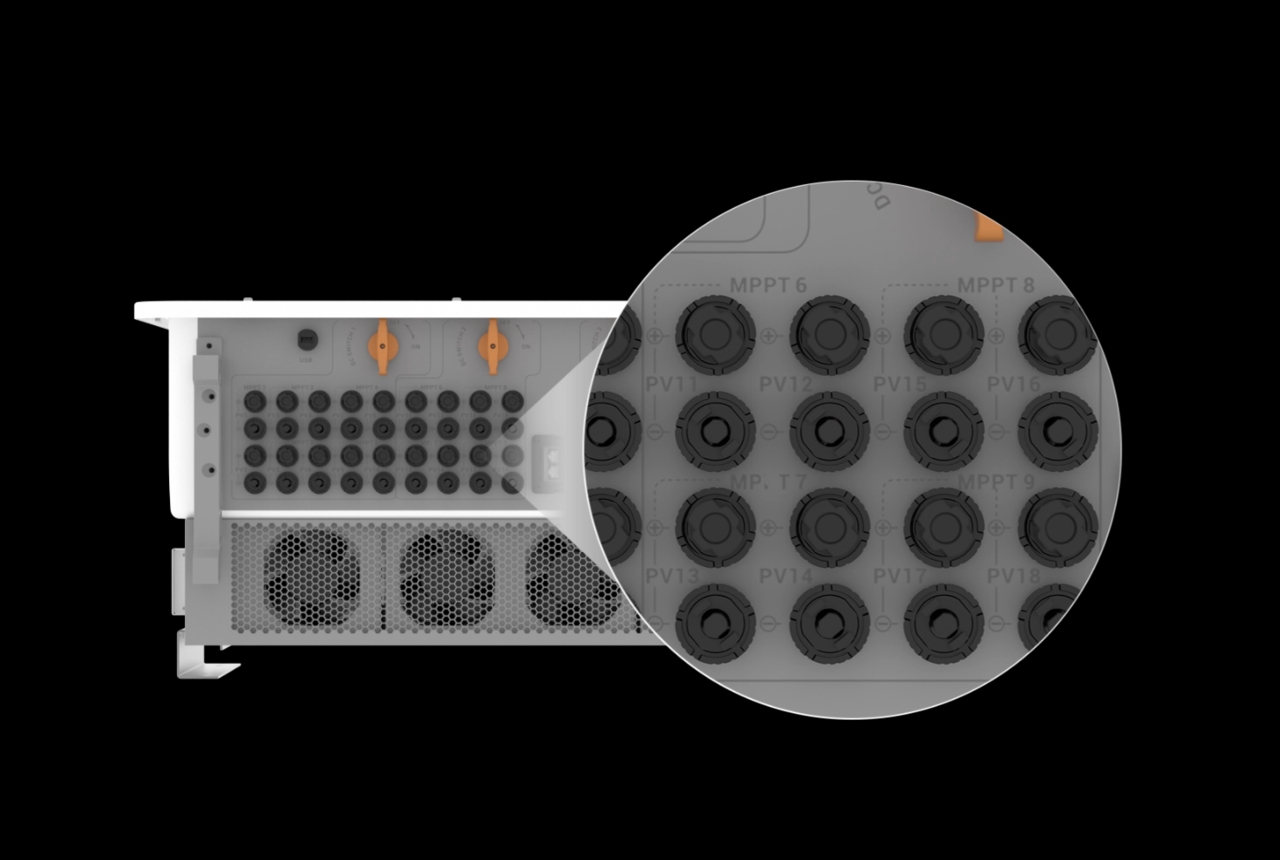
Hardware is only part of the solution. Solar irradiance is constantly changing, and an effective system must be able to identify and operate at the optimal power point both accurately and quickly.
Many conventional solutions rely on fixed sampling cycles, which can result in delayed response during rapid cloud movement. Sigenergy’s MPPT algorithm uses multi-factor optimisation to make adjustments at the millisecond level, allowing the system to maintain optimal performance even under rapidly changing conditions.
In cases where partial shading creates multiple peaks on the power curve, conventional systems may settle at a lower-performing operating point. Sigenergy’s multi-peak scanning function identifies the true global maximum and re-establishes the optimal operating point in as little as 10 seconds—up to six times faster than the 40–60 seconds typically required by conventional solutions.
As solar plants increase in scale and power, safety systems must evolve accordingly. With higher DC voltages and more connected strings, localised faults can escalate if not quickly identified and contained.
Sigenergy’s 18 MPPT design acts as an inherent isolation mechanism. By refining control to just two strings per MPPT, potential risks are contained within a smaller section of the system.
In traditional solutions where one MPPT may manage 30 strings, identifying a fault can require extensive manual inspection. By contrast, this granular design enables much faster fault isolation—up to 15 times faster—reducing downtime and improving operational efficiency. It helps prevent minor issues from spreading and supports long-term system reliability.
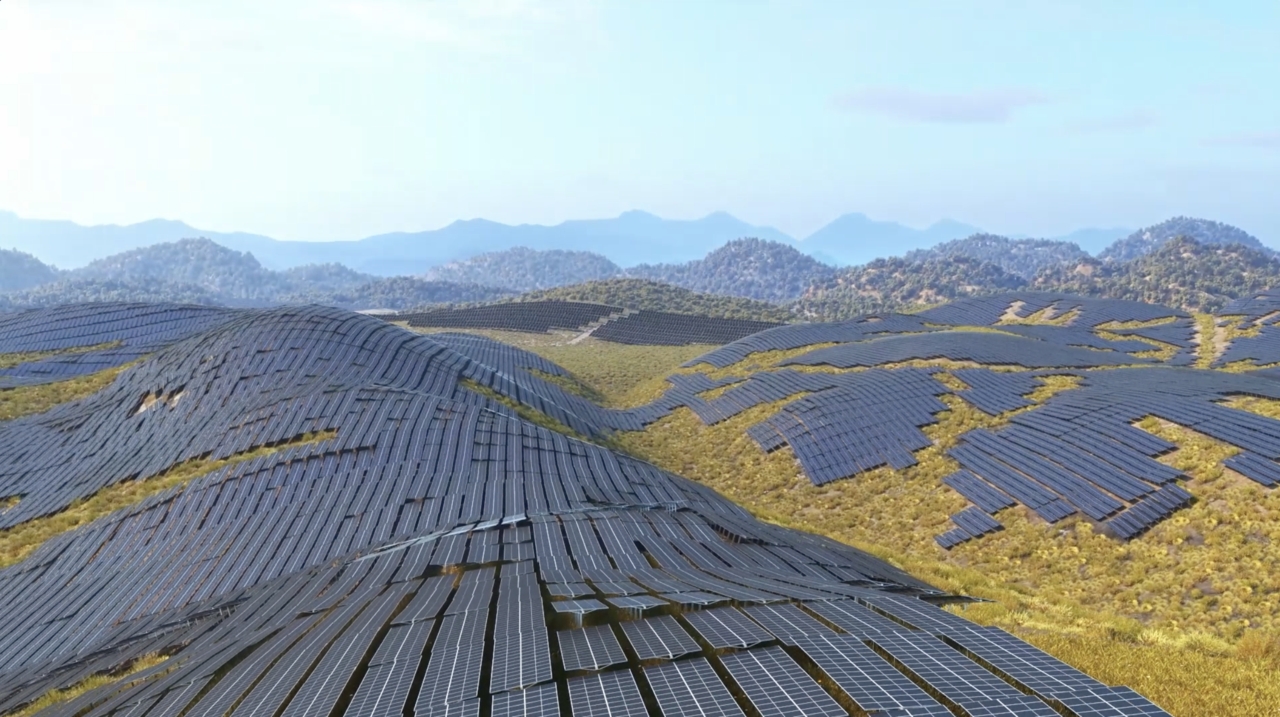
The transition to high-power solar does not need to come at the expense of control or performance. Advanced inverter solutions enable projects to scale efficiently while maintaining precise system control and robust safety boundaries.
By combining high-density MPPT architecture with fast and responsive control algorithms, Sigenergy demonstrates that precision is a key driver of performance in modern utility-scale solar systems.





 Cookie Set

These cookies are essential for the proper functioning of my website. Without these cookies, the website would not work properly
| Name | Expiration | Description |
| PHPSESSID | session | Cookie generated by applications based on the PHP language. This is a general purpose identifier used to maintain user session variables. It is normally a random generated number, how it is used can be specific to the site, but a good example is maintaining a logged-in status for a user between pages. |
| cookielist-consent | 1 year | Sets this cookie to remember users' consent preferences so that their preferences are respected on their subsequent visits to this site. It does not collect or store any personal information of the site visitors. |
| sl-session | 1 day | Anti-crawler and machine behavior recognition |
Analytical cookies are used to understand how visitors interact with the website. These cookies help provide information on metrics such as the number of visitors, bounce rate, traffic source, etc.
| Name | Expiration | Description |
| _ga | 1 year | The _ga cookie, installed by Google Analytics, calculates visitor, session and campaign data and also keeps track of site usage for the site's analytics report. The cookie stores information anonymously and assigns a randomly generated number to recognize unique visitors. |
| _ga_6JGTHLPYFN | 1 year | This cookie is installed by Google Analytics. |
| _gcl_au | 3 months | Provided by Google Tag Manager to experiment advertisement efficiency of websites using their services. |