


Necessary



 Login
 Australia (English)
08 Apr, 2026
Share
As global utility-scale solar projects continue to grow in size and complexity, traditional design models are struggling to keep up. When a solar plant reaches such industrial scale, simply adding more equipment is no longer effective. More devices, extensive cabling, and fragmented maintenance act as hidden costs that reduce plant revenue.
To overcome this challenge, the next generation of solar construction is not just about increasing single-unit capacity—it’s about simplifying overall system design.
What happens if the same capacity can be achieved with significantly fewer units?
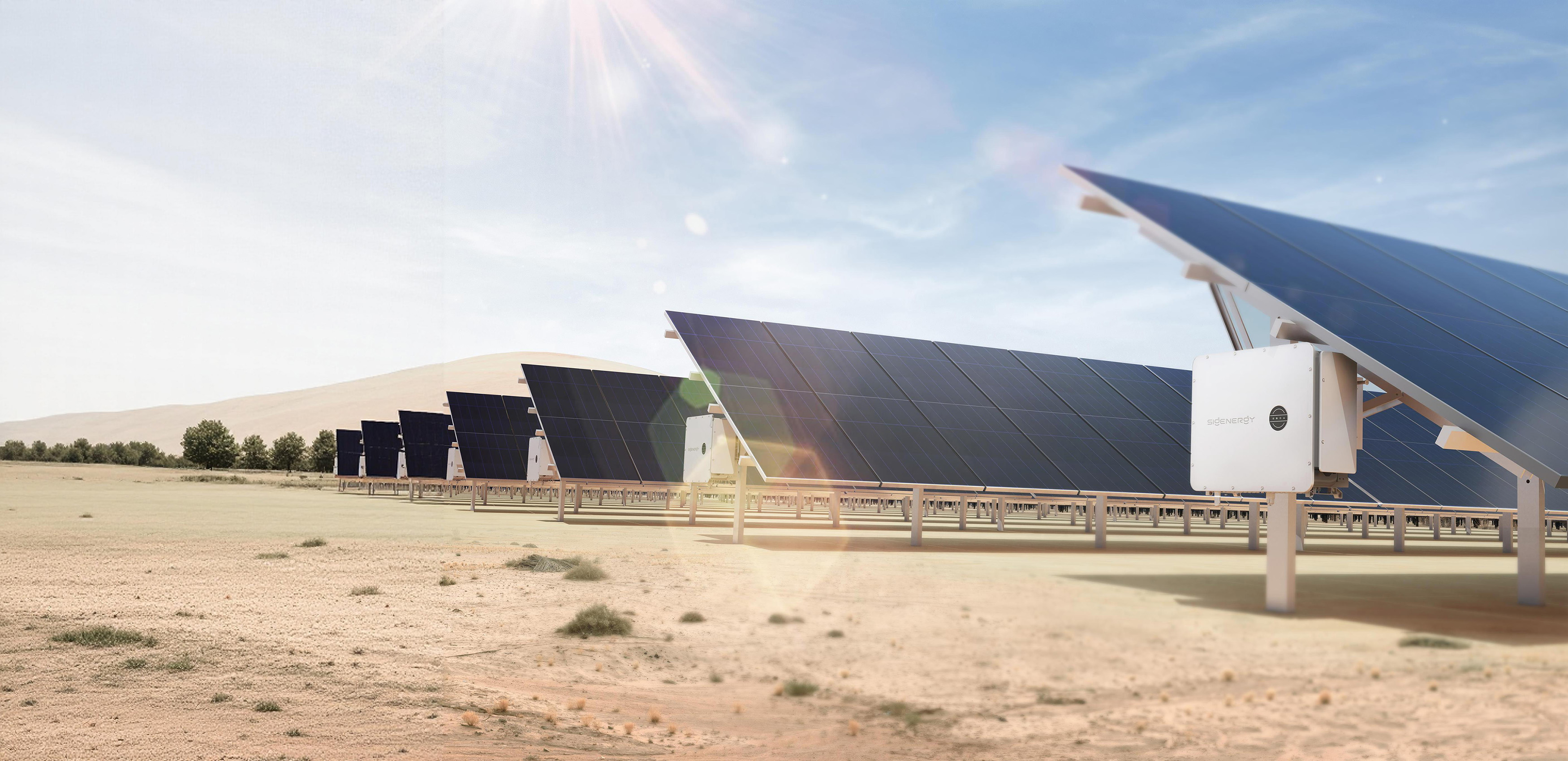
The Sigenergy utility-scale PV inverter 500H1 delivers up to 506kW per unit, offering industry-leading power density while maintaining precise system control. By using fewer, more powerful inverters, projects benefit from fewer connection points, reduced cabling, and lower on-site labour requirements.
A key advantage lies in the voltage design. On the AC side, moving from a traditional 800V system to 1000V reduces current, lowering resistive losses and cabling requirements. This significantly reduces Balance of System (BOS) costs and simplifies installation.
How can a single unit safely handle such high power levels? The answer lies in the underlying technology.
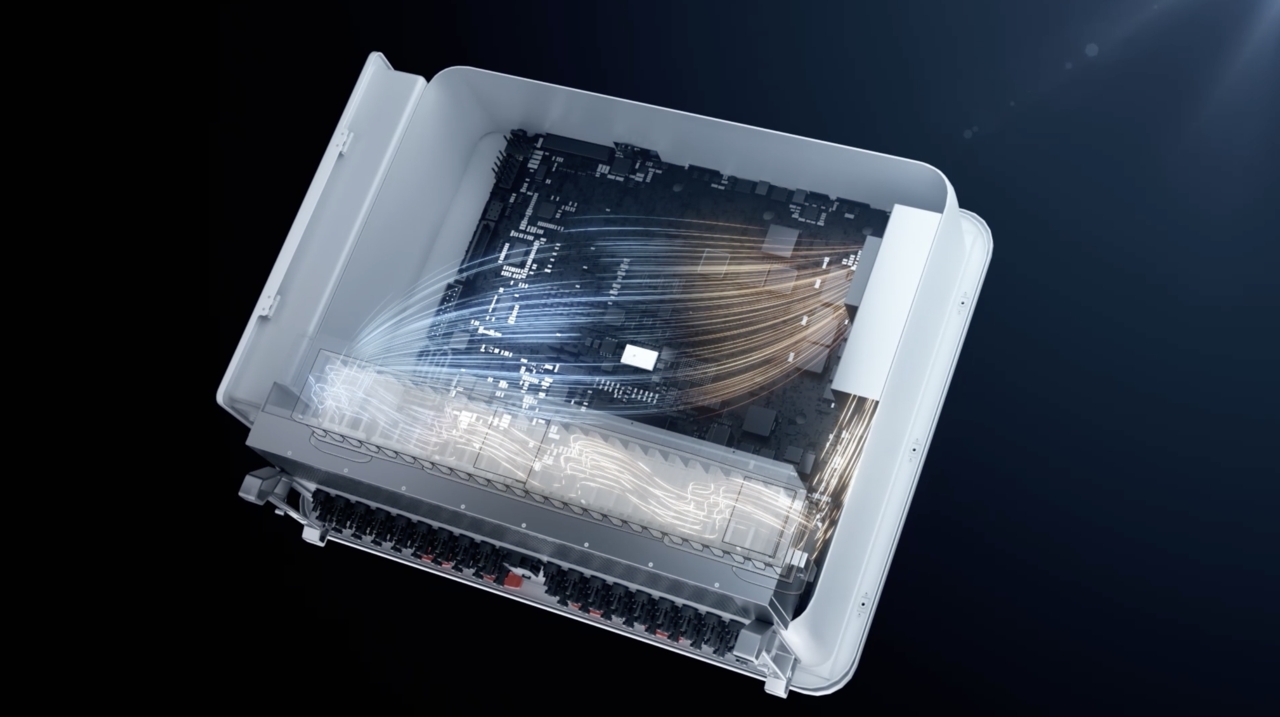
These systems utilise next-generation Silicon Carbide (SiC) MOSFETs. Unlike traditional silicon devices, SiC can handle voltages of up to 2000V, supporting high-voltage system operation. They also reduce switching losses, meaning less energy is dissipated as heat during power conversion.
To ensure long-term reliability, the thermal design enables rapid heat dissipation. This allows the inverter to maintain stable, high-efficiency performance over extended operating periods, even under demanding conditions.
When power increases, does control precision have to decrease? In many high-power inverter designs, a single MPPT may be required to manage several hundred panels. In real-world conditions, this can lead to significant energy losses when even a small portion of the array is affected by shading or mismatch.
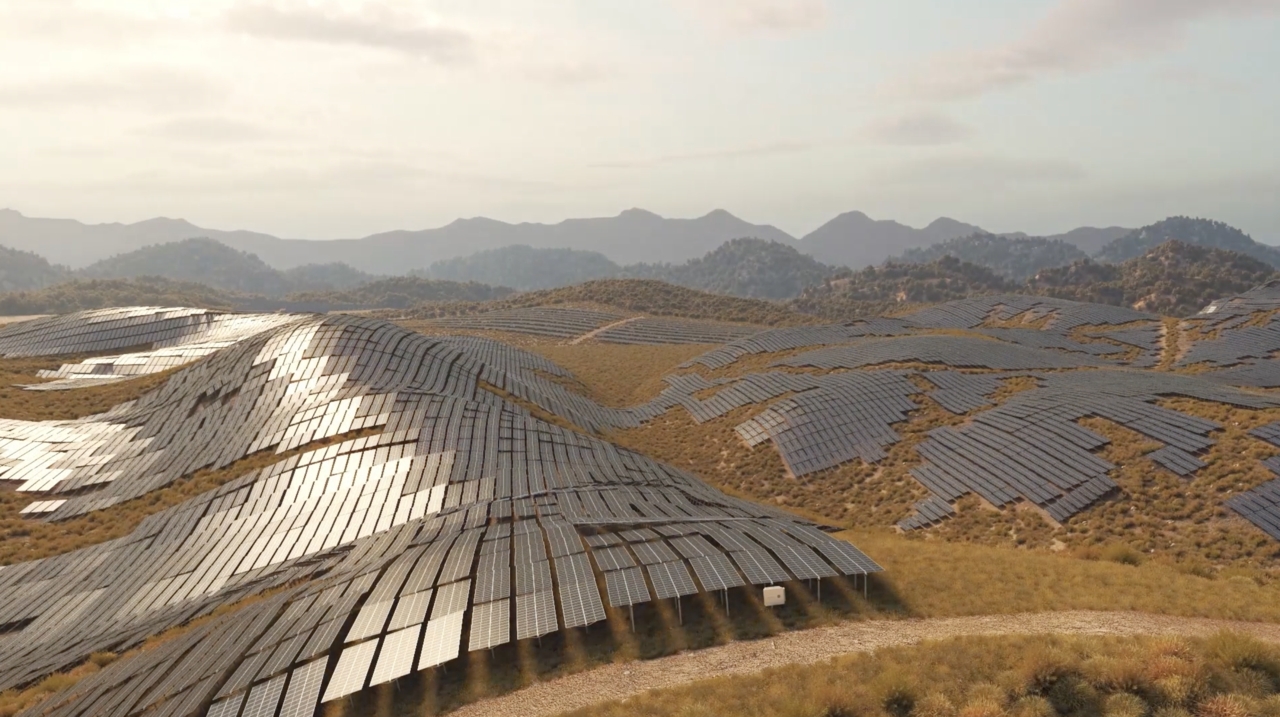
Sigenergy addresses this with an 18 MPPT design, where each MPPT manages approximately 60 panels. This granular level of control improves energy yield and enhances system performance.
This level of granularity also improves operations and maintenance by enabling faster and more targeted fault detection. When a fault occurs, technicians only need to inspect a small number of strings rather than large sections of the array, significantly reducing troubleshooting time.
The future of utility-scale solar is no longer defined by scale alone—it is about system-wide optimisation.
From advanced semiconductor technology to high-voltage system design, every feature is focused on simplifying complexity. By reducing construction costs and ensuring consistently higher energy output, these advancements support a more efficient and reliable foundation for the global energy transition.




 Cookie Set

These cookies are essential for the proper functioning of my website. Without these cookies, the website would not work properly
| Name | Expiration | Description |
| PHPSESSID | session | Cookie generated by applications based on the PHP language. This is a general purpose identifier used to maintain user session variables. It is normally a random generated number, how it is used can be specific to the site, but a good example is maintaining a logged-in status for a user between pages. |
| cookielist-consent | 1 year | Sets this cookie to remember users' consent preferences so that their preferences are respected on their subsequent visits to this site. It does not collect or store any personal information of the site visitors. |
| sl-session | 1 day | Anti-crawler and machine behavior recognition |
Analytical cookies are used to understand how visitors interact with the website. These cookies help provide information on metrics such as the number of visitors, bounce rate, traffic source, etc.
| Name | Expiration | Description |
| _ga | 1 year | The _ga cookie, installed by Google Analytics, calculates visitor, session and campaign data and also keeps track of site usage for the site's analytics report. The cookie stores information anonymously and assigns a randomly generated number to recognize unique visitors. |
| _ga_6JGTHLPYFN | 1 year | This cookie is installed by Google Analytics. |
| _gcl_au | 3 months | Provided by Google Tag Manager to experiment advertisement efficiency of websites using their services. |