โซลูชันด้านพลังงานที่ขับเคลื่อนด้วย AI สำหรับบ้าน ธุรกิจ และสาธารณูปโภค
ขับเคลื่อนด้วย AI สำหรับทุกสถานการณ์
สัมผัสประสบการณ์นวัตกรรมของเรา
พลังงาน ผลิตภัณฑ์
ปลดปล่อยพลังแห่งอิสรภาพด้านพลังงานของคุณ
-
-
โหมด Sigen AI
-
Sigen AI Insight
-
Sigen AI ผู้ช่วย
-
Sigen Smart Home
-
-
-
แดชบอร์ด BI
-
แผนภูมิอัจฉริยะ
-
การตรวจสอบและ O&M
-
คะแนน การแลกรับ
-
-
+Employees
-
~ %R&D staff
-
+Cumulative patent applications
-
+Countries & regions
-
+Distributors
-
+Registered installers
*ข้อมูล ณ วันที่ 30 มิถุนายน 2569
สิ่งที่พวกเขาคิดจริงๆ
ข่าวสาร
- ข่าว
- กิจกรรม
- บทความ
-
2026-09-10The Heart of Engineering Meets the Future of Energy: Sigenergy Showcases AI-Powered Utility-Scale Energy Storage with SigenStack DC-Coupled PV Project in Stuttgart
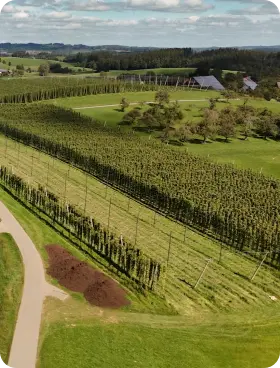
The decentralized utility-scale battery deployment demonstrates how AI integration and native DC coupling unlock higher renewable utilization, accelerate project execution, and optimize wholesale energy revenues. STUTTGART, GERMANY — September 10, 2026 — Sigenergy, a pioneer in battery energy storage solutions, has showcased how AI (Artificial Intelligence) and Advanced C&I Energy Storage Solutions can redefine utility-scale renewable infrastructure. At Sigenergy Day Europe 2026 which gathered nearly 400 global investors, EPCs and industry experts in Stuttgart, Sigenergy highlighted a landmark 11.6 MWp photovoltaic (PV) and 20 MWh battery energy storage system (BESS) project in Weissach im Tal, Baden-Württemberg, Germany. Developed in strategic partnership with PV specialist Arausol GmbH and European distributor Memodo, Solarpark Pfaffenklinge combines decentralized battery architecture, natural DC coupling, and AI-driven energy management to maximize asset value. The project deploys 1,660 Sigenergy battery modules, each with a 12 kilowatt-hour (kWh) capacity, establishing a highly flexible, decentralized storage footprint that replaces traditional containerized battery enclosures. 80 hybrid inverters, each with 100kW AC capacity, are installed alongside the battery modules. Sigenergy also provides 2 units of medium-voltage transformer (MVT) stations equipped with pre-installed low-voltage connections. Decentralized Storage Accelerates Deployment Logistics Solarpark Pfaffenklinge establishes a new operational blueprint for utility-scale battery installation. Rather than concentrating storage capacity into centralized, high-tonnage BESS containers, Sigenergy's modular SigenStack units are installed right under the PV modules mounted on Arausol's ground-mount racking system. This plug-and-play architecture minimizes heavy field wiring, eliminates crane requirements during placement, and reduces site civil engineering. Furthermore, the decentralized footprint avoids extensive concrete foundations, preventing soil sealing across the installation site. The modular architecture enabled exceptionally fast execution, completing site construction in 20 days and grid commissioning in 2 hours. Supporting flexible back-of-string or side-of-string mounting, the system allows project developers to match storage capacity precisely to site specifications while reducing capital expenditure (CAPEX) and site complexity. Multi-Layer Thermal Safety and AFCI Protection As utility-scale storage facilities expand, comprehensive safety architecture remains central to asset engineering. Sigenergy's solution integrates multi-tiered hardware and software protection mechanisms. System safety features include the pack-level safety isolation, full-coverage thermal sensing, and dedicated internal fire suppression within each 12 kWh battery module. Each pack is further equipped with smoke sensors, decompression valves, aerogel heat isolation, and high-temperature insulation barriers to prevent thermal propagation across neighboring modules. Super AFCI arc-fault protection has also extended up to 600 meters, providing further safety to the whole project. AI-Driven Operations and Revenue Optimization At the core of the project is the integration of Sigenergy's AI-powered energy management system with native DC-coupled storage. With dynamic electricity pricing and negative price events occurring more frequently across European power exchanges (such as EPEX SPOT), utility assets must operate dynamically. Sigenergy addresses this market volatility through SigenAgent, an all-domain AI Energy Agent, the energy industry's first all-domain AI agent that operates on a continuous, closed loop of Perception - Reasoning - Action. It absorbs real-time environmental factors (weather shifts, grid stability, market pricing) to execute maximum facility efficiency. Smart Clipping & Negative Price Protection Once enabled, Sigenergy's AI-powered energy management system will automatically stop feeding energy into the grid during negative electricity price periods. Excessive solar energy is saved in the battery instead. If negative prices are predicted, Sigen AI will discharge the battery in advance based on your energy usage habits and PV generation forecast, to make enough room for the upcoming solar power. DC Coupling: Eliminating Conversion Losses to Maximize Solar Yield Unlike traditional AC-coupled utility configurations, Sigenergy's solution routes excess photovoltaic power directly into storage as DC power. By eliminating repeated DC-to-AC and AC-to-DC conversion steps, the system delivers an estimated 3.7% higher power conversion efficiency over AC-coupled equivalents while reducing secondary inverter and transformer requirements. This architecture directly addresses grid interconnect constraints at Solarpark Pfaffenklinge. Operating under an 8.8 MVA grid connection limit for an 11.6 MWp PV plant, native DC coupling allows the facility to generate at full capacity without curtailment. Generation exceeding the grid capacity limit is stored directly on the DC bus and dispatched when grid capacity and wholesale prices allow. Industry Perspectives "This project sends a clear message: Sigenergy's innovative solutions are redefining utility-scale energy storage in European markets," said Tony Xu, Founder and CEO of Sigenergy. "By combining our advanced modular architecture with AI-powered energy management, SigenStack enables utility-scale systems to be deployed faster, smarter, and more efficiently. Paired with Arausol's mounting systems, we deliver rapid commissioning, superior energy yield, and reduced operational costs while minimizing land sealing to protect local ecosystems." For Germany's broader energy transition, decentralized DC-coupled storage allows renewable developers to maximize existing grid infrastructure, mitigating grid congestion and reducing the capital required for transmission line expansion. "As a leading system integrator, our commitment is to deploy technology that truly advances the market," noted Jaime Arau, CEO and Founder of Arausol GmbH. "Sigenergy's innovative solutions deliver the exact performance, safety, and rapid deployment capabilities that our utility-scale projects demand." Jonas Hollweg, Head of Sales at Memodo, added: "The success of Solarpark Pfaffenklinge highlights how close collaboration between manufacturers, project developers, and distributors can bring next-generation BESS technology to the European energy market at scale." Transforming Energy Storage into Intelligent Infrastructure Solarpark Pfaffenklinge marks Sigenergy's formal expansion into the utility-scale energy storage segment. By unifying advanced power electronics, modular battery design, and real-time AI optimization, the company provides energy infrastructure capable of responding dynamically to volatile generation, grid capacity limits, and real-time market pricing across European power markets. As Europe accelerates toward its net-zero goals, Sigenergy is committed to bringing more innovative solutions to its local partners and clients—where intelligent automation, uncompromised safety, and flawless execution converge to turn complex grid challenges into enduring market opportunities.
-
2026-09-10Industry Leaders Gather in Stuttgart to Explore How AI, Modular Storage and DC Coupling Are Redefining Renewable Energy Economics
STUTTGART, GERMANY — September 10, 2026 – Sigenergy, a pioneer in battery energy storage solutions, hosted Sigenergy Day Europe 2026 in Stuttgart, Germany, bringing together nearly 400 global investors, EPCs and industry experts to explore the next generation of utility-scale energy storage. Centered on the theme of AI-powered innovative energy storage solutions, the event showcased how intelligent energy management, modular battery architecture and DC coupling can work together to unlock higher renewable utilization, faster project deployment, greater operational flexibility and optimized energy revenues. A key highlight of the event was a visit to a landmark 11.6 MWp PV and 20 MWh battery energy storage project in Weissach im Tal, Baden-Württemberg owned by Deutsche Gesellschaft für Sachwertanlagen (DGS) GmbH. Developed by PV specialist Arausol with Sigenergy technology and supported by European distributor Memodo, the project deploys 1,660 Sigenergy battery modules, each with a capacity of 12 kilowatt-hours (kWh), 80 units Sigen C&I PV inverters 100kW and 2 units of medium-voltage transformer (MVT) stations equipped with pre-installed low-voltage connections. Unlike conventional containerized systems, the decentralized SigenStack architecture can be installed close to PV strings, minimizing complex cabling, heavy equipment and extensive foundations. The project achieved 20 days of installation and two hours of commissioning, demonstrating the potential of modular storage to accelerate utility-scale project delivery. From Energy Storage to Intelligent Energy Infrastructure Opening the event in Stuttgart, Tony Xu, Founder and CEO of Sigenergy, welcomed local hosts and partners, emphasizing that the company’s rapid global ascent is a shared achievement rooted in unbreakable collaboration. Against the backdrop of European markets diving "all in" on storage, Xu reaffirmed Sigenergy's strategic expansion from residential storage into commercial, industrial (C&I), and utility-scale power plants. "Sigenergy is fully prepared for this next phase of growth," Tony stated. "Backed by a robust European team and a comprehensive product lineup—including SigenStack, SigenCube, and SigenTerra—we aim to evolve from a standard supplier into a long-term strategic partner in the transition to storage." Concluding his address, he expressed absolute confidence that the best days for both the industry and their collaborative partnerships remain ahead, uniting everyone in the drive toward intelligent energy infrastructure. Europe's Energy Transition Demands a New Storage Paradigm In his welcome address, Jaime Arau, Founder & Managing Director of Arausol, highlighted Sigenergy's innovation and problem solving speed which will help accelerate large-scale solar-plus-storage deployment across Europe. "Partnerships like ours between Arau and Sigenergy are characterized by the fact that we tackle challenges together and turn them into opportunities. Today is intended to help us further develop this shared journey." He said. As part of the event, Mr. Arau showcased its collaborative journey with project owner DGS, introducing a remarkable project brought to life over a development period of around five months. Speaking as a guest presenter, Bernhard Rill, Member of the Board of Trustees at the Energy Storage System Association (BVES), highlighted the critical role of flexible energy infrastructure in driving Europe's renewable energy goals across key markets like Germany, the UK and Italy. As energy systems evolve, co-located solar-plus-storage and stand-alone Battery Energy Storage Systems (BESS) have become standard requirements for grid resilience. Within this transition, Rill emphasized that matching the right coupling method and prioritizing system safety are essential for modern deployments, citing SigenStack's 6-layer safety architecture that detects and suppresses thermal runaway in seconds During the event, Julian A. Crestani, Project Lead at DGS, received the prestigious "Iconic Project of the Year 2026" award for the Weissach im Tal deployment—a testament to exceptional engineering, operational efficiency, and rapid execution powered by Sigenergy's advanced solar-plus-storage architecture. Safety, Reliability and Bankability: Building Confidence in Utility-Scale Storage As energy storage projects scale in size and complexity, safety and bankability are becoming increasingly important considerations for developers, investors and system operators. Syed Zohaib Ahmed, Senior Consultant, Battery Storage Northern Europe at DNV, addressed the topic of "Safety, Reliability & Bankability: De-risking Utility-Scale Storage." His presentation explored the key considerations for ensuring that large-scale battery systems can deliver reliable long-term performance while meeting increasingly stringent expectations around safety, technical reliability and investment confidence. The discussion reinforced that technological innovation must go hand in hand with robust safety and reliability standards as battery storage becomes increasingly critical to energy infrastructure. This year, Sigenergy's utility-scale solar and energy storage solutions completed key technical assessments. In addition, the company's utility solar inverter underwent a technical review by DNV, resulting in the issuance of the Sigen Utility Solar Inverter Technology Review Report to address the aforementioned concerns. VPPs: Unlocking the Value of Distributed Energy Assets The transformation of energy systems is creating new opportunities to aggregate and intelligently manage distributed energy resources across European power markets. In his keynote presentation, Marco Borghesi, Fractional Chief Product Officer of LUOX Energy, demonstrated how Virtual Power Plants (VPPs) transition distributed battery systems from simple behind-the-meter assets into dynamic, revenue-generating market participants. By combining Sigenergy's efficient hardware architecture with LUOX Energy's digital market execution, the partnership enables asset owners to monetize energy flexibility on wholesale markets—delivering higher financial returns while actively supporting European grid stability. DC Coupling vs. AC Coupling: Why Storage and Technical Coupling Choices Decide Solar ROI With energy storage playing an increasingly pivotal role in the global energy transition, Benjamin Ohlhaeuser, Co-Founder of Team Edda, shared his perspective on prevailing market trends, practical project learnings, and the value of intelligent BESS solutions during his presentation. He opened by unpacking growing grid stability challenges, surging demand for flexible storage capacity, and the commercial risks facing solar project developers and investors in Germany. He noted that energy storage is often the defining factor between surviving and thriving in today's ground mounted solar market. The discussion then shifted to technology performance and the comparison between green storage coupling architectures (DC vs AC coupling). Benjamin emphasized that there is no one-size-fits-all winning topology for green storage coupling — only the right fit for each project. The pre-existing infrastructure of the solar park stands as the primary determinant when selecting between DC-coupled and AC-coupled designs. From Concept to Reality: The Arausol Weissach im Tal Project Building on the earlier technology debate, the conference moved to real-world project delivery with Björn Lamprecht and Henning Wicht, Managing Directors at Arausol, who shared insights into Arausol's general approach and role in the project and walked the audience through the design philosophy and technical implementation of the Weissach im Tal project. This landmark deployment demonstrates how application oriented engineering overcomes complex on-site deployment challenges, with three standout advantages: Superior System Efficiency: By routing power directly from PV panels to the battery, the DC-Coupling setup cuts out redundant conversion losses and removes the requirement for dedicated battery transformers — driving a 3-4 % uplift in overall energy yield. Optimized Land-Use Efficiency: Sigenergy's modular BESS units are installed directly underneath PV mounting structures. This clever layout maximises space utilisation, enabling additional solar capacity to be deployed within the existing site footprint. Seamless End-to-End Infrastructure&Project Delivery: Fully harmonised Sigenergy inverters and transformers formed the technical backbone of the plant. Complemented by hands-on on-site technical support during commissioning and coordination with grid operators, these combined efforts enabled the facility to achieve successful commercial operation in early August, strictly on schedule. Power Trading: Turning Stored Energy into Market Value The economic value of intelligent storage was further explored by Christoph Gardlo, COO of ESFORIN SE, who emphasized that the future of energy flexibility relies on co-located assets. Pointing to historical EPEX continuous intraday data, Gardlo noted that rising price volatility creates unprecedented profit opportunities for integrated solar-and-battery projects. By deploying ESFORIN's AI-driven FLEXtrading platform to automate asset management and execute real-time power trades, co-located PV-BESS installations can yield up to three times more revenue than standalone solar plants. Unlocking the Future: AI-Powered Innovations to Lead Europe's Clean Energy Era Closing the event, Roy Zhang, President of Global Sales and Service at Sigenergy, delivered an inspiring call to action, outlining how continuous AI innovation, deep technical expertise, and enduring long-term partnerships will define Europe's clean energy future. Backed by over €170 million in R&D investment, 900+ engineers, and 1,000+ patents, Sigenergy stands fully committed to powering this transition. From the innovative SigenStack system and the upcoming SigenCube C&I system to SigenTerra utility solutions and SigenAgent, the industry's first full-domain AI agent, Sigenergy delivers an end-to-end, full-scenario portfolio designed to lead the market. Paired with a rapidly expanding local service network, Sigenergy invites energy leaders to join forces, unite hardware precision with digital intelligence, and build a resilient, high-yield energy future together. Building the Next Generation of Intelligent Energy Infrastructure Sigenergy Day Europe 2026 event united visionaries across the energy value chain with a clear imperative: the future of utility-scale storage isn't just about adding battery capacity—it's about making every kilowatt-hour smarter, more flexible, and vastly more profitable. From AI-driven energy management and DC coupling to modular deployment, VPP aggregation, and real-time power trading, the event established a blueprint for modern energy systems. The Weissach im Tal project proves that this transition is already here. By pairing decentralized storage with intelligent optimization, Sigenergy has demonstrated how to maximize yield while stripping away deployment complexity. Looking ahead, Sigenergy remains relentless in putting customers and partners at the heart of innovation. By uniting hardware precision with digital intelligence, Sigenergy is ready to accelerate the deployment of next-generation energy infrastructure across Europe and around the globe.
-
2026-07-14Sigenergy เปิดตัว SigenMate 2700 Ultra: ระบบพลังงานบ้านแบบเสียบปลั๊กและใช้งานได้ทันทีที่ขับเคลื่อนด้วย AI พร้อมสำหรับอนาคต
Düเซลดอร์ฟ 14 กรกฎาคม 2026 — Sigenergy (06656.HK) ผู้ริเริ่มนวัตกรรมด้านพลังงานชั้นนำ ได้เปิดตัว SigenMate 2700 Ultra อย่างเป็นทางการในระหว่างการเปิดตัวผลิตภัณฑ์สำหรับผู้บริโภคของ Sigenergy SigenMate 2700 Ultra ถูกวางตำแหน่งให้เป็นระบบพลังงานแบบเสียบปลั๊กและใช้งานได้ทันทีที่ขับเคลื่อนด้วย AI ซึ่งพร้อมสำหรับอนาคต ออกแบบมาเพื่อการใช้ชีวิตสมัยใหม่ทั้งในบ้านและสภาพแวดล้อมกลางแจ้ง โดยผสานรวมการจัดการพลังงานที่ขับเคลื่อนด้วย AI ประสิทธิภาพสูง ความจุในการจัดเก็บที่ปรับขนาดได้ และพลังงานสำรองที่ราบรื่นเข้าไว้ในระบบเดียวที่ออกแบบมาโดยเฉพาะสำหรับบ้านขนาดเล็กและขนาดกลาง เมื่อแนะนำ SigenMate บนเวที Shirley Wang ผู้จัดการทั่วไปฝ่ายธุรกิจผู้บริโภคทั่วโลกของ Sigenergy ชี้ให้เห็นว่า: “ ไม่ต้องตั้งค่าที่ซับซ้อน ไม่มีข้อจำกัดสำหรับสถานการณ์ใดๆ ไม่ว่าเมื่อใดและที่ใดที่ต้องการพลังงาน SigenMate พร้อมให้บริการพลังงานที่เชื่อถือได้และชาญฉลาด ” สร้างขึ้นจากความสำเร็จระดับโลกที่พิสูจน์แล้ว: เส้นทางสู่ SigenMate 2700 Ultra การเปิดตัว SigenMate 2700 Ultra ไม่ใช่เรื่องบังเอิญ มันคือวิวัฒนาการตามธรรมชาติของความแข็งแกร่งทางการค้าและความสำเร็จระดับโลกที่กว้างขวางของ Sigenergy’ ด้วยความเชี่ยวชาญที่ได้รับการพิสูจน์แล้วในภาคส่วนพลังงานที่อยู่อาศัย พาณิชย์ อุตสาหกรรม (C&I) และสาธารณูปโภค Sigenergy ได้ขยายฐานการดำเนินงานไปแล้วกว่า 85 ประเทศและภูมิภาค โดยได้รับการสนับสนุนจากผู้จัดจำหน่าย 172 ราย และผู้ติดตั้งที่ลงทะเบียนมากกว่า 17,600 รายทั่วโลกภายในสิ้นปี 2025 ด้วยความสำเร็จของโซลูชันด้านพลังงานที่หลากหลายในสถานการณ์ต่างๆ Sigenergy ได้สร้างความเป็นผู้นำตลาดอย่างมั่นคง จากข้อมูลตลาดของ Sunwiz สำหรับปี 2025 Sigenergy ครองอันดับ 1 ในตลาด sub-1000 kWh ในออสเตรเลีย แอฟริกาใต้ และไอร์แลนด์ โดยมีส่วนแบ่งการตลาด 25%, 26% และ 34% ตามลำดับ ด้วยวิสัยทัศน์พื้นฐานที่จะให้ทุกคนได้เพลิดเพลินกับพลังงานสีเขียว Sigenergy จึงใช้ประโยชน์จากความสามารถเชิงลึกและศักยภาพในการสร้างสรรค์นวัตกรรมอย่างต่อเนื่อง โดยการนำจุดแข็งทางเทคโนโลยีขั้นสูงเหล่านี้มาอยู่ในรูปแบบที่กะทัดรัด ยืดหยุ่น และเข้าถึงได้ง่ายยิ่งขึ้น Sigenergy จึงสร้าง SigenMate ขึ้นมาเพื่อมอบการจัดการพลังงานอัจฉริยะที่เชื่อถือได้ ซึ่งออกแบบมาโดยเฉพาะสำหรับครัวเรือนสมัยใหม่ นวัตกรรมหลัก: สี่เสาหลักแห่งความเป็นเลิศเบื้องหลัง SigenMate 2700 Ultra 1. ความชาญฉลาด: ขับเคลื่อนอนาคตด้วย AI ความชาญฉลาดขั้นสูงของ SigenMate 2700 Ultra ส่งมอบผ่านแอป mySigen ซึ่งขับเคลื่อนโดย SigenAgent— ซึ่งเป็นเอเจนต์ AI แบบครบวงจรตัวแรกของอุตสาหกรรม SigenAgent ไม่ใช่เพียงแค่การแก้ไขซอฟต์แวร์แบบแยกส่วน แต่เป็นผลลัพธ์ของการบูรณาการฮาร์ดแวร์และซอฟต์แวร์ระยะยาวของ Sigenergy ซึ่งเปลี่ยนแปลงวิธีการที่ครัวเรือนมีปฏิสัมพันธ์กับพลังงานหมุนเวียนอย่างสิ้นเชิง ระบบอัจฉริยะนี้ทำงานบนวงจรการรับรู้ การให้เหตุผล และการกระทำอย่างต่อเนื่อง โดยได้รับการฝึกฝนจากข้อมูลเชิงประจักษ์จากระบบปฏิบัติการมากกว่า 30,000 ระบบใน 47 ประเทศ ทำให้สามารถติดตามและปรับตัวให้เข้ากับรูปแบบการบริโภคของครัวเรือนได้อย่างต่อเนื่อง เพื่อเพิ่มประสิทธิภาพสูงสุดโดยไม่ต้องมีการแทรกแซงด้วยตนเอง SigenAgent จะสังเคราะห์ปัจจัยแบบเรียลไทม์แบบไดนามิก — รวมถึงรูปแบบสภาพอากาศที่เปลี่ยนแปลง ราคาไฟฟ้าที่ผันผวน และสภาพของโครงข่ายไฟฟ้า — เพื่อดำเนินการตามเส้นทางการดำเนินงานที่คุ้มค่าที่สุดโดยอัตโนมัติ การจัดการแบบอัตโนมัตินี้ช่วยให้ SigenMate สามารถตัดสินใจได้อย่างชาญฉลาดว่าเมื่อใดควรจัดเก็บ ใช้ หรือส่งออกพลังงาน เพื่อการเพิ่มประสิทธิภาพทางการเงินขั้นสูง SigenMate ยังรองรับการบูรณาการโรงไฟฟ้าเสมือน (VPP) เพื่อการเข้าร่วมในโครงข่ายไฟฟ้า ในขณะที่ยังคงโหมดการใช้งานตามช่วงเวลา (TOU) สองโหมดสำหรับเจ้าของบ้านที่ต้องการการจัดการความต้องการสูงสุดด้วยตนเองอย่างแม่นยำ ด้วยการมอบความชาญฉลาดแบบบูรณาการในระดับนี้ SigenMate จึงก้าวข้ามระบบอัตโนมัติพื้นฐานไปสู่การปลดล็อกคุณค่าที่แท้จริงและใช้งานได้จริงของ AI สำหรับพลังงานในครัวเรือนในชีวิตประจำวัน 2. ประสิทธิภาพ: กำลังไฟฟ้าสูงและความยืดหยุ่นแบบโมดูลาร์ SigenMate 2700 Ultra สามารถติดตั้งเพิ่มเติมเข้ากับระบบ PV ที่มีอยู่ได้อย่างราบรื่น 100% ช่วยให้ครัวเรือนสามารถดักจับพลังงานแสงอาทิตย์ส่วนเกินได้โดยอัตโนมัติโดยไม่ต้องเปลี่ยนแผงโซลาร์เซลล์หรืออินเวอร์เตอร์ที่มีอยู่ ด้วยความเข้ากันได้กับไมโครอินเวอร์เตอร์หลักๆ ทุกยี่ห้อ ระบบจึงสามารถผสานรวมเข้ากับแบรนด์ต่างๆ ได้อย่างง่ายดาย โดยมีเป้าหมายเพื่อเพิ่มประสิทธิภาพการผลิตพลังงานสูงสุดบนหลังคาที่ซับซ้อนหรือมีเงาบังบางส่วน รองรับกำลังไฟเข้าสูงสุด 4,000 วัตต์ PV พร้อมตัวติดตาม MPPT จำนวน 4 ตัว ทำให้มั่นใจได้ว่าแสงแดดทุกลำแสงจะถูกแปลงเป็นพลังงานประหยัดสำหรับครัวเรือนได้อย่างมีประสิทธิภาพ เพื่อรองรับเครื่องใช้ไฟฟ้าได้อย่างน่าเชื่อถือ SigenMate มีตัวเลือกกำลังไฟที่หลากหลาย: กำลังไฟ 800W สำหรับเชื่อมต่อกับระบบไฟฟ้าหลัก AC กำลังไฟสูงสุด 1400W สำหรับใช้งานนอกระบบไฟฟ้าหลัก AC และกำลังไฟสูงสุด 3600W สำหรับใช้งานผ่านระบบไฟฟ้าหลัก เพื่อรับมือกับโหลดสูงชั่วคราวเมื่อเครื่องใช้ไฟฟ้าแบบเหนี่ยวนำเริ่มทำงาน จึงมีกำลังไฟสูงสุด 1800W (10 วินาที) พร้อมกับพอร์ตเอาต์พุต AC สองพอร์ตเพื่อจ่ายไฟให้กับอุปกรณ์หลายเครื่องพร้อมกัน ให้พลังงานที่เสถียรสำหรับโหลดที่จำเป็นและการเริ่มต้นใช้งานตามปกติที่ราบรื่น เพื่อตอบสนองความต้องการของครัวเรือนที่เปลี่ยนแปลงไปในอนาคต ระบบนี้มีสถาปัตยกรรมแบบโมดูลาร์ที่มีความยืดหยุ่นสูง รองรับโฮสต์ได้สูงสุด 1 เครื่อง พร้อมโมดูลแบตเตอรี่สูงสุด 6 โมดูล เจ้าของบ้านสามารถเริ่มต้นจากโมดูลแบตเตอรี่ 2.68 kWh เพียงโมดูลเดียว และสามารถต่อพ่วงได้อย่างง่ายดายเพื่อให้ได้ 18.8 kWh ต่อหน่วย สำหรับความเป็นอิสระด้านพลังงานในระยะยาว การขยายแบบขนานรองรับความจุรวมสูงสุดถึง 56.4 kWh นำเสนอโซลูชันที่ปรับขนาดได้ซึ่งเติบโตไปพร้อมกับความต้องการพลังงานที่เพิ่มขึ้นของครอบครัว ’ ได้อย่างง่ายดาย 3. ความปลอดภัย: การป้องกันระดับอุตสาหกรรม SigenMate 2700 Ultra ผสานวิศวกรรมระดับอุตสาหกรรมที่เข้มงวดเข้ากับระบบสำหรับที่อยู่อาศัยที่ทันสมัย ให้ความมั่นคงปลอดภัยด้านพลังงานภายใต้สภาวะที่ไม่แน่นอน มีคุณสมบัติกันฝุ่นและกันน้ำระดับ IP66 และทนต่อการกัดกร่อนระดับ C5-M แพลตฟอร์มนี้ทำงานได้อย่างน่าเชื่อถือในช่วงอุณหภูมิที่รุนแรงตั้งแต่ -20°C ถึง 55°C ทำให้ทนทานต่อละอองน้ำเค็มชายฝั่งและสภาพอากาศที่รุนแรงได้อย่างดี เพื่อให้มั่นใจได้ว่าการส่งข้อมูลจะไม่สะดุดและการตรวจสอบระยะไกลจะราบรื่น ระบบจึงผสานรวม Wi-Fi 6 แบบดูอัลแบนด์ (2.4 GHz & 5 GHz) เพื่อการเชื่อมต่อที่เสถียรเป็นพิเศษ หัวใจสำคัญคือระบบความปลอดภัยแบตเตอรี่ 6 ชั้นที่ครอบคลุมสำหรับ SigenMate ซึ่งได้รับการออกแบบมาเพื่อให้มั่นใจได้ว่าการทำงานของพลังงานมีความปลอดภัยทั้งกลางวันและกลางคืน: ● วาล์วระบายแรงดัน: ป้องกันการสะสมแรงดันภายในเพื่อรับประกันการปกป้องเซลล์ ● แผ่นรองฉนวน: ให้การแยกความร้อนและทางกายภาพที่ยอดเยี่ยมระหว่างเซลล์ ● แผ่นรองกันความร้อน : ป้องกันการแพร่ความร้อนโดยใช้วัสดุหน่วงไฟขั้นสูง ● เซลล์ LiFePO4 105Ah: ใช้ประโยชน์จากเคมีเซลล์ที่มีความเสถียรสูงและมีความจุมาก ● การตรวจจับอุณหภูมิแบบครอบคลุมเต็มรูปแบบ: ติดตามอุณหภูมิของเซลล์แบบเรียลไทม์ด้วยเซ็นเซอร์ความแม่นยำสูง ● การตรวจสอบอุณหภูมิสายไฟ: ป้องกันการเชื่อมต่อกระแสไฟฟ้าสูงจากการร้อนเกินไป 4. ความน่าเชื่อถือ: ระบบจ่ายไฟต่อเนื่องด้วยการสลับแหล่งจ่ายไฟ 0ms SigenMate 2700 Ultra ให้การหยุดทำงานด้านโหลดอย่างแท้จริง 0ms ในขณะที่มาตรฐานอุตสาหกรรมมีความล่าช้าถึง 10 วินาที ซึ่งเพียงพอที่จะรีบูตพีซีหรือทำให้ไฟกะพริบ ระบบนี้ทำการสลับแหล่งจ่ายไฟโดยตรงได้ด้วยตัวเองโดยไม่ต้องใช้อุปกรณ์เสริมภายนอก ในช่วงที่ไฟฟ้าดับ การตอบสนองอย่างอิสระนี้จะช่วยให้เซิร์ฟเวอร์และเครื่องใช้ไฟฟ้าภายในบ้านทำงานได้อย่างราบรื่นโดยไม่หยุดชะงักแม้แต่มิลลิวินาที ปกป้องกิจกรรมดิจิทัลของคุณจากไฟฟ้าดับที่ไม่คาดคิด ความน่าเชื่อถือนี้ครอบคลุมตั้งแต่การจ่ายไฟอย่างต่อเนื่องไปจนถึงการสื่อสารของระบบ โดยเฉพาะอย่างยิ่งในสถานการณ์ออฟไลน์เมื่อการเชื่อมต่ออินเทอร์เน็ตขาดหาย เพื่อรับประกันการส่งข้อมูลที่ไม่หยุดชะงักและการตรวจสอบระยะไกลที่ราบรื่น SigenMate จึงรวมเอา Wi-Fi 6 แบบดูอัลแบนด์ (2.4 GHz & 5 GHz) เพื่อการเชื่อมต่อที่เสถียร เก็บรักษาข้อมูลการทำงานในเครื่องได้นานถึงหนึ่งเดือนจนกว่าการเชื่อมต่อเครือข่ายจะกลับมาใช้งานได้อีกครั้ง ความพร้อมจำหน่าย & ข้อเสนอ Early-Bird เพื่อเป็นการฉลองการเปิดตัว SigenMate 2700 Ultra พร้อมให้สั่งจองล่วงหน้าในเยอรมนีแล้วผ่านทาง Sigenergy ร้านค้าอย่างเป็นทางการ , Amazon ร้านค้า และพันธมิตรที่ได้รับอนุญาต เช่น Tepto พันธมิตรอื่นๆ จะประกาศในภายหลัง ตั้งแต่วันที่ 14 กรกฎาคม ถึง 28 กรกฎาคม SigenMate 2700 Ultra จะวางจำหน่ายในราคาพิเศษสำหรับผู้ที่สั่งซื้อล่วงหน้า €999 ลดจาก €1,199 ไม่รวมภาษีมูลค่าเพิ่ม ทำให้ผู้ที่สั่งซื้อล่วงหน้าประหยัดได้ทันที €200 ข้อเสนอแพ็กเกจเพิ่มเติมปลดล็อกส่วนลดพิเศษเฉพาะช่วงเปิดตัวสูงสุดถึง €600 ทำให้ครัวเรือนมีทางเลือกที่ยืดหยุ่นและคุ้มค่ามากขึ้นในการเริ่มต้นเส้นทางการใช้พลังงานในบ้านอัจฉริยะ สำหรับผู้บริโภคในสหภาพยุโรปนอกประเทศเยอรมนี จะมีข้อเสนอการสั่งซื้อล่วงหน้าที่น่าสนใจตั้งแต่วันที่ 18 สิงหาคมถึง 31 สิงหาคม เยี่ยมชมร้านค้าอย่างเป็นทางการของ Sigenergy , ร้านค้า Amazon หรือพันธมิตรที่ได้รับอนุญาตเพื่อสำรวจโปรโมชั่นและตัวเลือกแพ็กเกจ SigenMate 2700 Ultra ทั้งหมดในตลาดสหภาพยุโรป คำสั่งซื้อทั้งหมดที่ดำเนินการในช่วงระยะเวลาการสั่งซื้อล่วงหน้าจะได้รับมิเตอร์อัจฉริยะ Sigen สามเฟสเป็นของขวัญเปิดตัวฟรี
-
September 22-24, 2026Solar & Storage Live UK 2026
-
September 10, 2026Sigenergy Day Europe 2026
Dear Sir or Madam, At Sigenergy, our mission is to lead AI-powered PV and energy storage innovation. We are delighted to invite you to Sigenergy Day Europe 2026, an exclusive event in Stuttgart, Germany, the heart of engineering excellence. Here you will: · Witness an AI-powered solar + storage project in action, experiencing firsthand how Sigenergy's intelligent energy solutions deliver superior safety, ultra simplicity, and outstanding performance in a utility-scale project. · Experience our V2X live demonstration, where EV becomes part of a smart energy ecosystem. · Savor the best of Stuttgart with industry leaders and investors over an evening of wine at a historic winery. Your participation will mark a pivotal moment in the advancement of AI-powered energy storage. We look forward to welcoming you to this exclusive gathering in Stuttgart, where industrial heritage meets the future of energy.
-
23-25 มิถุนายน 2026งาน InterSolar Europe 2026
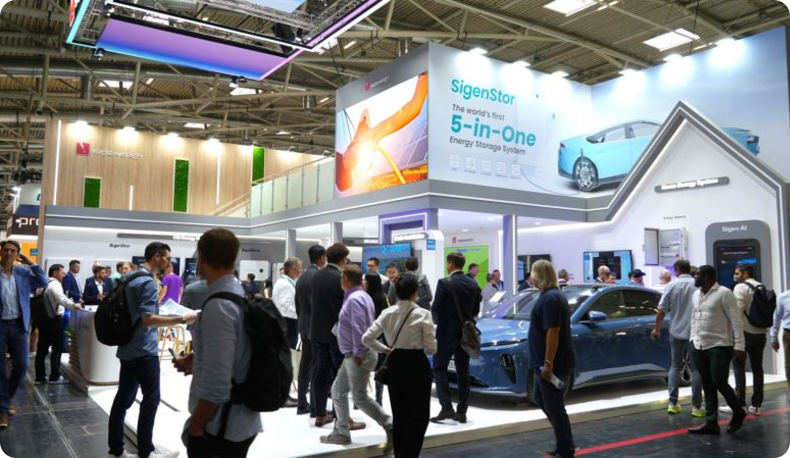
เรียน ท่านสุภาพบุรุษหรือสุภาพสตรี เรามีความยินดีที่จะเชิญท่านเยี่ยมชมบูธของเราที่งาน Inter Solar Europe 2026 ซึ่งจะจัดขึ้นระหว่างวันที่ 23 ถึง 25 มิถุนายน ณ เมืองมิวนิกประเทศเยอรมนี และค้นพบว่า AI กำลังเปลี่ยนแปลงภูมิทัศน์ด้านพลังงานอย่างไร ในงาน ท่านจะได้สัมผัสกับ "AI in All" กลยุทธ์ของเรา ซึ่งนำความชาญฉลาดมาสู่ระบบนิเวศพลังงานทั้งหมด ด้วยการผสานรวม AI เข้ากับผลิตภัณฑ์ ซอฟต์แวร์ การผลิต และระบบการจัดการพลังงาน เรากำลังเปลี่ยนแปลงระบบพลังงานให้เป็นแพลตฟอร์มอัจฉริยะ ที่ทำงานร่วมกันได้ และได้รับการปรับปรุงอย่างต่อเนื่อง พบกับผู้เชี่ยวชาญของเราและสำรวจโซลูชันที่ปรับแต่งได้ตามความต้องการสำหรับการใช้งานในที่อยู่อาศัย เชิงพาณิชย์ และระดับสาธารณูปโภค เราหวังว่าจะได้ต้อนรับท่านที่มิวนิก
-
2026-09-23SigenFlux: A New Standard for Intelligent Home Heating
Birmingham, UK – September 22, 2026 – Sigenergy has unveiled SigenFlux, its new AI Agent-powered heat pump solution, at Solar & Storage Live UK 2026. SigenFlux is a key component of Sigenergy's AI-powered home energy ecosystem integrating photovoltaic (PV), energy storage, and thermal systems. By extending Sigenergy's energy ecosystem into home heating, SigenFlux transforms the heat pump from a standalone heating, ventilation, and air conditioning (HVAC) appliance into a controllable household energy load, enabling closer coordination between home climate control and intelligent energy management. AI-Driven Energy Optimization with SigenAgent Powered by SigenAgent, the energy industry's first all-domain AI agent integrated into the mySigen App, SigenFlux enables AI-driven energy strategies based on forecasts of dynamic electricity tariffs and heating demand. Based on dynamic electricity tariffs, the system automatically optimizes heat pump operating schedules, prioritizing heating and thermal storage during lower-cost periods and reducing electricity consumption during higher-price periods to help lower home energy costs. In addition, by combining electricity prices with operating parameters such as heat-loss characteristics of the primary water circuit and domestic hot water (DHW) system, DHW temperature, and heat pump power, the system can determine when to preheat or store thermal energy. For recurring high-energy-demand tasks such as DHW disinfection, it can also identify more economical operating windows. The system further learns users' heating habits and DHW usage patterns, as well as their temperature preferences, to anticipate future heating and hot water demand, enabling smarter heating strategies and helping avoid unnecessary energy consumption. Depending on anticipated demand, the system can be activated in advance for preheating or enter a lower-power standby state. By analyzing energy consumption under different temperature settings, it can also provide personalized energy-saving recommendations. Furthermore, SigenAgent also provides an intelligent O&M experience from issue identification to actionable recommendations. Drawing on online knowledge resources, device status, and fault information, it can automatically match relevant documentation, identify the cause, and provide operating instructions. This reduces the need for manual searches and troubleshooting, speeding up issue identification and resolution. Reliable Performance in Low Temperatures SigenFlux delivers reliable heating and operation in extreme cold, raising the bar for cold-climate performance. At the core of this capability is the combination of an R290-based inverter heat pump system designed for a wide operating temperature range, Enhanced Vapor Injection (EVI) technology, an intelligent defrost mechanism, flexible auxiliary heating, and precise regulation of key parameters such as compressor frequency, fan speed, and electronic expansion valve opening. The EVI compressor increases refrigerant flow, enables intermediate vapor injection, and supports more effective compression, resulting in stronger heating output and a wider operating range compared with conventional compressors. The intelligent defrost strategy further enhances reliability by monitoring multiple parameters, including suction temperature, coil temperature, changes in coefficient of performance (COP), and low-pressure data, to determine the optimal defrost timing. Compared with conventional systems that typically rely on scheduled defrost, this adaptive approach helps reduce unnecessary or ineffective defrost cycles and the energy waste they cause, supporting stable and comfortable heating even in severe cold. Advanced Noise Reduction for Quiet Heating SigenFlux features a multi-layered noise reduction design, offering a quieter experience than other heat pumps on the market for enhanced comfort day and night. A dual-layer insulation system—a sound blanket wrapped around the compressor and acoustic foam enclosing the compressor compartment—works together with a flexible vibration-damping structure to reduce noise and vibration transmission. A bionic aerodynamic fan blade, inspired by the silent flight of owls, further reduces fan noise, while an EPP-sealed duct design helps contain sound. Comprehensive Safety Protection Compared with conventional systems, SigenFlux is designed with a more comprehensive, multi-layered safety architecture, including plate heat exchanger freeze protection, a micro-bubble air vent valve, low-pressure monitoring with automatic shutdown protection, ATEX-certified electrical components, reinforced piping to mitigate leak risks, and refrigerant leak monitoring. More than 10 sensors continuously monitor critical operating parameters, enabling early detection of potential issues and supporting timely intervention for safe, reliable, and comfortable operation around the clock. Quick & Easy Installation SigenFlux is designed to simplify installation while adapting to a wide range of residential environments. Its compact, highly integrated hydronic module reduces the need for external components and on-site piping, helping streamline installation and reduce the number of installation steps. Multi-directional piping connections provide greater flexibility in pipe routing, allowing SigenFlux to fit into space-constrained or more complex installation environments. The system also supports Sub-1G wireless communication, eliminating the need for additional wiring and further simplifying installation. The detachable wired controller can also be flexibly positioned, making commissioning more convenient while supporting easy access for everyday operation. Intelligent Integration into the Home Energy Ecosystem As a controllable household load, SigenFlux can be dispatched by the home energy management system (EMS) to absorb surplus solar power through heat pump operation and auxiliary electric heating, converting excess electricity into useful heat. The EMS coordinates SigenFlux with PV generation, energy storage, and other household loads to increase solar self-consumption and reduce reliance on grid electricity. Based on real-time information such as PV generation, battery state of charge (SOC), and grid import/export status, the EMS dynamically adjusts SigenFlux's operation, using available solar power for heating or preheating. Once heating requirements are met, the EMS can redirect remaining surplus energy to battery charging or grid export, further improving the utilization of locally generated renewable energy. During a power outage, the energy storage system can provide backup power to SigenFlux, enabling normal heating operation. This allows the system to maintain indoor temperature and hot water supply, helping preserve household comfort and heating continuity during grid interruptions. Expanding the boundaries of the home energy ecosystem, SigenFlux delivers greater comfort, stability, and energy efficiency while enabling coordinated operation across home climate control, PV generation, energy storage, electric vehicle (EV) charging, and other household loads. Driven by Sigenergy's "AI in All" strategy, this unified and intelligent energy ecosystem continues to empower households with greater energy independence, enabling a smarter and more sustainable way of life.
-
2026-09-02Powered by SigenAgent: How AI Is Personalizing Home Energy for Every User
Home energy management is becoming more complex, while household needs are becoming more personal. Sigenergy’s Personal Strategy addresses this shift by letting users express what they want in natural language, powered by SigenAgent, the energy industry’s first all-domain AI agent. This article expounds the intelligence behind Personal Strategy and explores three real-world cases showing how AI can support different ways of managing and personalizing home energy. The Growing Complexity of Home Energy As rooftop solar, home batteries, and EVs become increasingly common, more households are taking an active role in generating, storing, and managing their own energy. Meanwhile, time-of-use and dynamic tariffs are creating more opportunities to decide when to consume, store, buy, or sell electricity. As a result, home energy management is no longer simply about producing and using electricity. Households increasingly need to decide when to charge, discharge, buy, or sell, and these decisions can vary significantly from one household to another. One may prioritize solar self-consumption, while an EV owner may need to coordinate charging with household energy use. There is no single definition of the “best” way to manage energy because the right approach depends on each household’s goals, habits, and priorities. This raises a new question: What if homeowners could simply tell their energy system what they want, instead of figuring out how to configure it? That is the idea behind Sigenergy’s Personal Strategy, which allows users to express their desired outcomes in natural language. Behind this feature is SigenAgent, the energy industry’s first all-domain AI agent. SigenAgent: The Intelligent AI Agent Behind Everything From LLMs to Agents: Giving AI the Power to Act Before introducing SigenAgent, it is important to distinguish an LLM from an AI agent. A Large Language Model (LLM) can understand natural language, reason through questions, and generate responses. But on its own, it mainly works with the information available to it. It does not inherently have access to a live energy system or the ability to independently execute actions across connected devices. An AI agent goes a step further. Built on an LLM, it can understand user intent, access relevant data and tools, plan actions, and execute them toward a specific outcome. In energy management, for example, an agent can go beyond explaining why a battery is not discharging by checking real system conditions and, with user confirmation, taking action accordingly. In simple terms, an LLM can provide an answer. An AI agent can understand, decide and act. The Architecture and Strength Behind SigenAgent What does it actually take for an AI agent to understand, decide and act in the real world? The architecture behind SigenAgent provides the answer. SigenAgent can be thought of as an intelligent energy team with different capabilities working together. On the left, multiple AI models provide language understanding and reasoning capabilities. SigenAgent can work with leading models such as Gemini 3.1 Pro, GPT-5.5, and DeepSeek V4, drawing on their different strengths. The other components connect SigenAgent with Sigenergy’s energy ecosystem, user interfaces, and supporting resources. A unified MCP gateway provides secure access to the data, tools, and devices it needs to operate. Users can interact with SigenAgent through different entry points, including mySigen App, WhatsApp, and WeChat. In the future, it could also collaborate with other specialized AI agents as the ecosystem evolves. Together, these components give SigenAgent three defining strengths: deep professional expertise, truly real-time capabilities, and trust and safety. Deeply Professional: · Built on data from 200,000+ solar-plus-storage systems and over 10 million operating hours · Cloud algorithms continuously integrate frontier models Truly Real-Time: · End-to-end sensing across PV, storage, EV charging, home loads, and the grid · Millisecond-level data acquisition and closed-loop control through the built-in EMS · System data refreshed every 10 seconds Trust and Safety: · Data stored locally across six global AWS regions, aligned with GDPR and regional requirements · Strategies can continue briefly during cloud outages before switching to local control · Up to 48 hours of strategy explanations for greater transparency Four Specialized Agents for Different Energy Scenarios SigenAgent is built around four specialized agents, each designed for a different part of the energy lifecycle. For residential users, the System Management Agent focuses on personal energy management, including device control, energy analysis, and personalized strategies. It is the specialized agent behind Personal Strategy in mySigen App, turning individual energy preferences into strategies the system can understand and execute. For other energy scenarios, the System O&M Agent supports automated inspections, fault diagnosis, and O&M reporting. The Power Trading Agent forecasts electricity prices and optimizes charging and discharging to improve energy returns. The Business Operation Agent connects business data with operational insights to support better decisions. Although their roles differ, all four follow the same fundamental loop: sense, think, act, and optimize. Powered by SigenAgent: Real Cases of Personal Strategy Since its launch with mySigen App 4.0, Personal Strategy has successfully addressed diverse energy needs across different countries. The following cases show three distinct ways users are personalizing energy management: managing multiple needs across seasons, going beyond predefined modes, and setting personal boundaries for AI. Peter G., Sweden: Adapting Battery Management to Seasonal Needs Peter wanted to optimize battery usage while reducing unnecessary charge and discharge stress. The goal was to make fuller use of the battery capacity during winter while avoiding deeper cycling during the warmer months. Peter described these requirements directly to SigenAgent and built four Personal Strategy preferences around them. The first two establish different seasonal SOC limits. From January to April and September to December, the battery is set between 5% and 90% SOC. From May to August, the limits change to 10% to 80% SOC, reducing the depth of charge and discharge during the warmer period. The third preference addresses electricity prices. Peter told the system to avoid buying electricity between 10:00 and 15:30 unless it is cheap enough. The reasoning is that solar generation should normally cover charging and self-consumption during the summer, while daytime electricity is typically more expensive during the winter in the SE3 region of Sweden. The fourth preference accounts for an additional 1 kW household load on Wednesdays, Fridays, and Saturdays from trickle charging an EV. Together, these four preferences give the system a clearer picture of the household’s needs, helping it adapt across seasons, prices, and daily routines. Andy Chambers, United Kingdom: Balancing Profit and Battery Wear Andy had previously stopped using AI because neither of the available modes matched the way the battery needed to operate. The priority was to benefit from cheaper overnight electricity without adding unnecessary battery wear. Personal Strategy allowed these requirements to be combined into one setup. The battery charges overnight to 100% at a maximum rate of 3.5 kW, while overnight battery-to-grid export is disabled to avoid unnecessary cycling. For the evening, the system is set to discharge at up to 4.5 kW and reach 20% SOC by 23:30. Rather than requiring a fixed discharge schedule, the AI determines when to start discharging based on the target, so the battery reaches the required SOC at the right time and can then recharge during the cheaper overnight period. This gives Andy a level of control that predefined modes could not provide, while leaving the AI to determine the timing needed to meet those personal requirements. TimNL, Netherlands: Setting Personal Guardrails for AI TimNL wanted to make full use of self-generated solar energy while keeping grid purchases below a personal price limit. The key requirement was to never buy electricity above €0.25/kWh, while reserving around 20% SOC for household use during the night and morning. TimNL first asked the AI to prevent any grid purchase above €0.25/kWh, creating a 24/7 Personal Strategy. Meanwhile, another request asked the AI to keep 20% SOC for self-consumption from 18:00 to 07:00, creating separate night and morning strategies. TimNL also wanted to limit unnecessary energy trading. Although the actual difference between the buy and sell prices was 9 cents, this user felt this would make the AI trade too frequently. By lowering the sell price to keep the gap with the buy price within 3–9 cents, the strategy significantly reduced trading activity—to no more than about once a day, resulting in an average of around 0.9 battery cycles per day over the year. Without these personal “guardrails,” the AI could sell too much stored energy, leaving the battery empty and requiring grid purchases during the night or morning. TimNL estimates this previously cost around €1 per day. With the additional rules in place, the system can prioritize using self-generated solar energy, sell surplus electricity to the grid, and avoid buying energy above the €0.25/kWh limit. This case shows another side of Personal Strategy: users can define not only what they want the AI to do, but also the boundaries within which they want it to operate. AI In All: Where AI Meets Everyday Energy From increasingly complex home energy needs to personalized management, AI is moving beyond information and into real-world energy operations. Personal Strategy shows what this shift can look like in practice. Through SigenAgent, users can define what matters to them while AI handles the complexity of execution. This reflects the core of Sigenergy’s AI In All strategy: bringing AI deeper into energy across devices, systems, applications, and user interactions. SigenAgent is an important step toward a more personalized energy experience, where AI does not simply understand what users need, but acts on it.

-
2026-08-10การพลิกโฉมพลังงานแสงอาทิตย์ขนาดใหญ่สำหรับยุคพลังงานใหม่
โดย Jonathan Gifford, Climate Copy พลังงานแสงอาทิตย์ขนาดใหญ่ได้เข้าสู่ขั้นตอนใหม่ที่ซับซ้อนยิ่งขึ้นแล้ว แต่ก็เป็นช่วงเวลาที่แนวทางใหม่ในการออกแบบโครงการกำลังปลดล็อกคุณค่าระลอกใหม่ ด้วยโซลูชัน Utility PV บริษัท Sigenergy นำเสนอโครงสร้างการแปลงพลังงานแบบกระจาย การบูรณาการขั้นสูง BESS และแนวทางใหม่ในการติดตั้งพลังงานแสงอาทิตย์ขนาดใหญ่ – และบริษัทมุ่งมั่นอย่างจริงจังต่อภารกิจของตน ภายใต้ท้องฟ้าฤดูใบไม้ผลิอันสดใส ท่ามกลางเนินเขาสีเขียวชอุ่มทางตะวันตกเฉียงใต้ของเยอรมนี ผู้เชี่ยวชาญด้านพลังงานแสงอาทิตย์กว่า 80 คน ได้สัมผัสและเรียนรู้เทคโนโลยีล้ำสมัยของ PV และระบบกักเก็บพลังงานแบตเตอรี่ (BESS) อย่างใกล้ชิด และอัตราการเปลี่ยนแปลงที่รวดเร็วซึ่งกำลังเกิดขึ้นในอุตสาหกรรมนั้นปรากฏให้เห็นอย่างชัดเจน เมื่อวันที่ 28 พฤษภาคม 2026 ผู้ผลิตอุปกรณ์อิเล็กทรอนิกส์กำลังและ BESS ที่สร้างความเปลี่ยนแปลงครั้งใหญ่ Sigenergy ได้ต้อนรับพันธมิตรในอุตสาหกรรม นักวิจัย และตัวแทนจากหน่วยงานสาธารณูปโภคในท้องถิ่นเข้าร่วมงานในชนบทอันงดงามของ Baden-Württemberg สำหรับงาน Sigenergy Connect – ซึ่งเป็นงานที่เน้นการแลกเปลี่ยนความคิดและข้อมูลเชิงลึกเกี่ยวกับโซลูชันโซลาร์และระบบกักเก็บพลังงานสำหรับช่วงต่อไปของการเปลี่ยนผ่านด้านพลังงานที่กำลังเกิดขึ้นอย่างรวดเร็ว ใหม่ รูปแบบโครงการ PV ด้วยพลวัตของตลาดไฟฟ้าที่เปลี่ยนแปลงไป ทำให้เกิดโอกาสสำหรับโครงการไฮบริดพลังงานแสงอาทิตย์บวกนวัตกรรมในภูมิภาค และเพิ่มมากขึ้นทั่วประเทศเยอรมนีและทั่วทั้งยุโรป ภาคพลังงานหมุนเวียนได้เข้าสู่ช่วงเวลาแห่งการเปลี่ยนแปลงอย่างรวดเร็ว — ซึ่งสัญญาว่าจะปลดล็อกคุณค่าที่สำคัญ แนวทางใหม่ในการออกแบบและใช้งานโครงการกำลังเกิดขึ้น โดยมีศักยภาพที่จะเปลี่ยนแปลงไม่เพียงแต่อุตสาหกรรมพลังงานสะอาดเท่านั้น แต่ยังรวมถึงเครือข่ายไฟฟ้าด้วย ในการกล่าวสุนทรพจน์ที่ Sigenergy Connect เอเลนา พาบสต์ นักวิจัยจากศูนย์วิจัยพลังงานแสงอาทิตย์และไฮโดรเจนแห่งบาเดน-เวอริทเทมแบร์ก (ZSW) อธิบายว่าปัญหาคอขวดของโครงข่ายไฟฟ้ากำลังกลายเป็นหนึ่งในข้อจำกัดที่ใหญ่ที่สุดต่อการขยายตัวของพลังงานหมุนเวียนอย่างต่อเนื่อง ในช่วงที่มีการผลิตพลังงานแสงอาทิตย์สูง – ในระหว่างวัน – กำลังไฟฟ้าในระบบส่งมักไม่เพียงพอที่จะรองรับไฟฟ้าพลังงานแสงอาทิตย์ที่ผลิตได้ทั้งหมด Pabst เน้นย้ำว่าการเพิ่มการใช้งาน BESS – โดยเฉพาะอย่างยิ่งเมื่อจับคู่กับการผลิตพลังงานหมุนเวียน เช่น โซลาร์ PV – เป็นหนึ่งในวิธีแก้ปัญหาที่มีประสิทธิภาพมากที่สุดสำหรับข้อจำกัดเหล่านี้ Pabst ยังได้แบ่งปันข้อมูลเชิงลึกจากโครงการวิจัย ZSW สองโครงการที่สำรวจบทบาทในอนาคตของการกักเก็บพลังงานในเยอรมนี HybrEEd กำลังสาธิตวิธีการที่พลังงานหมุนเวียนแบบไฮบริดและโครงการ BESS สามารถใช้จุดเชื่อมต่อโครงข่ายไฟฟ้าได้อย่างมีประสิทธิภาพมากขึ้น ในขณะที่โครงการ STRIVE.BW กำลังสำรวจว่าแบตเตอรี่ สามารถสนับสนุนเครือข่ายไฟฟ้าได้อย่างไรโดยการชาร์จและคายประจุอย่างยืดหยุ่นตามสภาพโครงข่ายไฟฟ้าแบบเรียลไทม์ ในงานเมื่อเดือนพฤษภาคม แนวคิดเหล่านี้ได้เปลี่ยนจากทฤษฎีไปสู่การปฏิบัติ โดยผู้เข้าร่วมงานสามารถเห็นการสาธิตในโลกแห่งความเป็นจริงของความสามารถเหล่านี้ได้ DC-การเชื่อมต่อในการทำงาน ที่สนามทดสอบ ZSW ใกล้กับหมู่บ้านประวัติศาสตร์ Widderstall, Baden-Württemberg ระบบไฮบริดพลังงานแสงอาทิตย์บวก BESS ที่เป็นนวัตกรรมใหม่กำลังแสดงให้เห็นว่า PV และเทคโนโลยีการกักเก็บพลังงานสามารถบูรณาการได้อย่างมีประสิทธิภาพ — และบทบาทที่ สามารถมีในการบรรเทาปัญหาคอขวดของโครงข่ายไฟฟ้าในขณะที่เพิ่มการใช้พลังงานแสงอาทิตย์ที่ผลิตได้ในสถานที่ให้สูงสุด ที่ไซต์ทดสอบ Widderstall บริษัทสาธารณูปโภคในท้องถิ่น EnBW – ซึ่งเป็นบริษัทพลังงานที่ใหญ่เป็นอันดับสามของเยอรมนี ให้บริการลูกค้ามากกว่า 5.5 ล้านราย – ได้ติดตั้ง 252 kWh DC-coupled BESS ในรูปแบบไฮบริดควบคู่ไปกับแผงโซลาร์เซลล์แบบติดตั้งบนพื้นดิน 70 kW โครงการนี้ออกแบบมาเพื่อแสดงให้เห็นถึงประโยชน์ด้านประสิทธิภาพของสถาปัตยกรรมและตรวจสอบความถูกต้องของกลยุทธ์การดำเนินงานในสภาพแวดล้อมจริง ในการกล่าวสุนทรพจน์ที่งาน Sigenergy Connect, Richard Riedlinger ผู้จัดการฝ่ายวางแผนทางเทคนิค ฝ่ายพัฒนาโครงการ PV ที่ EnBW ได้สรุปข้อดีของระบบกักเก็บพลังงานแบบเชื่อมต่อ DC สามารถเมื่อเปรียบเทียบกับระบบแบบเชื่อมต่อ AC สถาปัตยกรรมแบบเชื่อมต่อ DC BESS ต้องการส่วนประกอบน้อยกว่า สามารถมีประสิทธิภาพสูงกว่า และช่วยให้สามารถดักจับและใช้ประโยชน์จากไฟฟ้าที่ผลิตได้มากขึ้น หลังจากงานดังกล่าว Sebastian Feges ผู้จัดการบัญชีลูกค้าหลักของ Sigenergy ในภูมิภาค DACH กล่าวว่า ในขณะที่การกำหนดค่า AC ที่เชื่อมต่อกับ BESS นั้นเป็นแนวทางมาตรฐานมาโดยตลอด แต่ตลาดกำลังเริ่มเปลี่ยนแปลง “อุตสาหกรรมกำลังตระหนักมากขึ้นว่าการทำงานภายใต้กระแสตรง (DC) นั้นไม่เพียงแต่ปลอดภัยเท่านั้น แต่ยังให้ประสิทธิภาพที่เพิ่มขึ้นอย่างมากอีกด้วย” Feges กล่าว แนวโน้มที่กว้างขึ้นในระดับสาธารณูปโภค การนำ DC ที่เชื่อมต่อกับ BESS มาใช้เป็นเพียงหนึ่งในหลายๆ การเปลี่ยนแปลงทางเทคโนโลยีและตลาดที่กำลังปรับเปลี่ยนโฉมหน้าของภาคส่วนพลังงานแสงอาทิตย์ระดับสาธารณูปโภคในปัจจุบัน – และ Sigenergy กำลังวางตำแหน่งตัวเองให้เป็นผู้นำในการพัฒนาเหล่านี้ ในปี 2026 Sigenergy ได้เปิดตัวโซลูชัน Utility PV โดยต่อยอดจากความสำเร็จของแพลตฟอร์ม BESS ที่สามารถวางซ้อนกันได้สำหรับการใช้งานในที่อยู่อาศัย พาณิชย์ และอุตสาหกรรม (C&I) – SigenStor และ SigenStack ตามลำดับ – รวมถึงกลุ่มผลิตภัณฑ์อิเล็กทรอนิกส์กำลังขั้นสูง ซึ่งรวมถึงไมโครอินเวอร์เตอร์สำหรับการใช้งานบนหลังคา สถาปัตยกรรมแปลงพลังงานแบบกระจายของโซลูชันนี้ได้รับการออกแบบมาเพื่อส่งมอบต้นทุนพลังงานเฉลี่ยต่อหน่วย (LCOE) ที่ต่ำลง ความปลอดภัยและความน่าเชื่อถือของระบบที่เพิ่มขึ้น และความสามารถในการดำเนินงานและการบำรุงรักษาขั้นสูง (O&M) แพลตฟอร์มขนาดใหญ่ Sigenergy ประกอบด้วยอินเวอร์เตอร์แบบสตริง 460 kW, โซลูชันการกักเก็บพลังงานขนาดใหญ่ SigenTerra , สถานีแปลงไฟฟ้า SigenMVT, กล่องสื่อสาร Sigen CommBox และเครื่องบันทึกข้อมูล Sigen Datalogger แพลตฟอร์มสามารถจับคู่กับแบตเตอรี่ได้ทั้งในรูปแบบการเชื่อมต่อ AC หรือ DC ซึ่งช่วยให้นักพัฒนาโครงการมีความยืดหยุ่นมากขึ้นและมีศักยภาพในการให้ผลผลิตพลังงานที่สูงขึ้น การนำอินเวอร์เตอร์แบบสตริงมาใช้ การใช้งานอินเวอร์เตอร์แบบรวมศูนย์ในระดับโรงไฟฟ้ากำลังได้รับความนิยมเพิ่มขึ้นในยุโรปตั้งแต่ช่วงปลายทศวรรษ 2010 บริษัท S&P Global คาดการณ์ว่าในปี 2026 อินเวอร์เตอร์แบบรวมศูนย์จะครองส่วนแบ่งตลาดเกือบ 78% ของตลาดอินเวอร์เตอร์ระดับโรงไฟฟ้าในเอเชีย และมากกว่า 60% ในภูมิภาค EMEA "อินเวอร์เตอร์แบบรวมศูนย์ยังคงมีฐานที่มั่นที่แข็งแกร่งอยู่" คอร์แมค กิลลิแกน ผู้อำนวยการฝ่ายเทคโนโลยีสะอาดของบริษัทวิเคราะห์กล่าว "บริษัท S&P Global Energy ตั้งข้อสังเกตว่าอินเวอร์เตอร์แบบรวมศูนย์คิดเป็นอย่างน้อย 95 เปอร์เซ็นต์ของการจัดส่งทั้งหมดไปยังโรงไฟฟ้าระดับโรงไฟฟ้าทั้งในสหรัฐอเมริกาและออสเตรเลียในปี 2024" ส่วนแบ่งการตลาดของระบบอินเวอร์เตอร์แบบรวมศูนย์ (สีส้ม) เทียบกับแบบสตริง (สีน้ำเงิน) ตามภูมิศาสตร์ ที่มา: S&P ทั่วโลก: PV ตัวติดตามตลาดอินเวอร์เตอร์ – H2'25' ข้อได้เปรียบของ O&M "โครงสร้างอินเวอร์เตอร์แบบรวมศูนย์ สามารถนั้นสามารถปรับปรุงได้แน่นอน" เกรกอรี่ ลูเคนส์ ผู้อำนวยการฝ่ายขายในสหภาพยุโรปสำหรับกลุ่มตลาดโรงไฟฟ้าขนาดใหญ่ของ Sigenergy กล่าว "วิธีที่ดีกว่าคือการกระจายอำนาจ มีเทคโนโลยีอื่นๆ อีกมากมายที่ใช้การกระจายอำนาจ – เช่น CPU ซึ่งมีคอร์ที่แตกต่างกัน การกระจายอำนาจและการขจัดปัญหาคอขวดเป็นกุญแจสำคัญ เป็นคุณลักษณะที่ดี และในปัจจุบันมีต้นทุนที่แข่งขันได้" ลูเคนส์เสริมว่าอินเวอร์เตอร์แบบสตริงยังให้ข้อดีที่สำคัญ O&M อีกด้วย ด้วยโมเดล "สลับและเปลี่ยน" หน่วยที่ชำรุดสามารถถูกแลกเปลี่ยนกับอะไหล่ที่เก็บไว้ในสถานที่ ลดเวลาหยุดทำงานและจำกัดผลกระทบต่อประสิทธิภาพของระบบ ในทางตรงกันข้าม ความล้มเหลวในระบบอินเวอร์เตอร์กลาง สามารถส่งผลกระทบต่อกำลังการผลิตไฟฟ้าหลายเมกะวัตต์ ในขณะที่เจ้าของโครงการต้องรอชิ้นส่วนอะไหล่หรือช่างเทคนิคผู้เชี่ยวชาญ อินเวอร์เตอร์แบบสตริงยังมีระบบป้องกันขั้นสูง DC ที่ระดับสตริง รวมถึงความสามารถในการตรวจจับขั้วต่อหลวมและการเกิดประกายไฟในระยะ 500 เมตร O&M เวิร์กโฟลว์ได้รับการปรับให้เหมาะสมยิ่งขึ้นในโซลูชัน Sigenergy ระดับสาธารณูปโภคผ่านเครื่องมือดิจิทัล รวมถึงการติดแท็กตำแหน่งทางภูมิศาสตร์ของอินเวอร์เตอร์และส่วนประกอบ การระบุตำแหน่งความผิดพลาดของฉนวนระดับ MPPT และการตรวจสอบการใช้งานแบบมีคำแนะนำ – ซึ่งทั้งหมดนี้จัดการผ่านแอปพลิเคชันมือถือ “เรารับฟัง EPC ดังนั้นเราจึงมีสิ่งต่างๆ เช่น การติดแท็กตำแหน่งทางภูมิศาสตร์เพื่อให้สามารถระบุตำแหน่งอินเวอร์เตอร์ สามารถแต่ละตัวได้อย่างง่ายดาย” Lukens กล่าว ระยะเวลารอคอยสั้นและความยืดหยุ่น สถาปัตยกรรมระดับสาธารณูปโภคแบบใช้สายยังให้ข้อได้เปรียบด้านโลจิสติกส์และการออกแบบโครงการอย่างมาก ในรายงาน Power Inverter Market Outlook 2026 ของ BloombergNEF ระบุว่า อินเวอร์เตอร์แบบสตริง สามารถมีระยะเวลานำส่งที่สั้นกว่าอินเวอร์เตอร์แบบรวมศูนย์ – อย่างมาก โดยอินเวอร์เตอร์แบบรวมศูนย์บางรุ่นมีระยะเวลานำส่งนานกว่าถึง 80% ตามการวิเคราะห์ของ BloombergNEF ระยะเวลานำส่งการสั่งซื้ออินเวอร์เตอร์ในไตรมาสที่ 1 ปี 2026 ที่มา: BloombergNEF ซึ่งรวมถึงระยะเวลานำส่งสำหรับอินเวอร์เตอร์พลังงานแสงอาทิตย์และ PCS ด้วย "ระยะเวลานำส่งที่สั้นกว่าสำหรับอินเวอร์เตอร์แบบสตริง ทำให้ผู้ให้บริการ EPC บางรายเลือกใช้อินเวอร์เตอร์แบบสตริงมากกว่าแบบรวมศูนย์" BloombergNEF รายงาน "อินเวอร์เตอร์แบบสตริงมีกำลังไฟฟ้าต่ำกว่าอินเวอร์เตอร์แบบรวมศูนย์ ทำให้สามารถนำมาประกอบกันได้อย่างยืดหยุ่นมากขึ้นในโครงการที่มีขนาดหลากหลาย นอกจากนี้ยังต้องการอุปกรณ์ติดตั้งน้อยกว่า เนื่องจากมีขนาดเล็กกว่าและไม่จำเป็นต้องใช้เครนหรือฐานปูนซีเมนต์ ทำให้ง่ายต่อการใช้งานในโครงการต่างๆ ผู้ให้บริการ EPC สามารถมีอินเวอร์เตอร์แบบสตริงอยู่ในสต็อกและจัดสรรให้ตามความต้องการโดยไม่ล่าช้า" ประสิทธิภาพที่เพิ่มขึ้น แม้ว่าสถาปัตยกรรมแบบสตริงจะมีข้อดีหลายประการ แต่ในแง่ของผลผลิตพลังงานนั้น โซลูชัน Sigenergy Utility PV โดดเด่นเป็นพิเศษ ด้วยสถาปัตยกรรมอินเวอร์เตอร์แบบสตริงที่แท้จริงและเทคโนโลยีมัลติ-MPPT ขั้นสูง แพลตฟอร์มนี้ได้รับการออกแบบมาเพื่อลดการสูญเสียจากการไม่ตรงกันของสตริงอย่างมีนัยสำคัญและเพิ่มการผลิตพลังงานให้สูงสุด "เรารักษาสตริงไว้สองสตริงต่อ MPPT" ลูเคนส์อธิบาย "โดยพื้นฐานแล้วนี่เป็นการรับประกันผลผลิตที่สูงขึ้น ด้วยอินพุต 1500V DC ระบบจะให้เอาต์พุตสูงสุดถึง 1000V AC โดยมีตัวเลือกสำหรับ 800 V เราต้องการคืนผลผลิตนั้นให้กับลูกค้า" ด้วยประโยชน์ที่ครอบคลุมตลอดห่วงโซ่คุณค่าของพลังงานแสงอาทิตย์ขนาดใหญ่ – ตั้งแต่ผู้พัฒนาและเจ้าของสินทรัพย์ ไปจนถึง EPC และทีมปฏิบัติการ – Lukens คาดว่าโซลูชัน Sigenergy จะได้รับการตอบรับเป็นอย่างดีในตลาดทั่วยุโรป และความคาดหวังนี้ได้รับการเสริมความแข็งแกร่งยิ่งขึ้นจากการขยายธุรกิจเชิงกลยุทธ์ของบริษัท เมื่อวันที่ 16 เมษายน Sigenergy เข้าจดทะเบียนในตลาดหลักทรัพย์ฮ่องกงดึงดูดกลุ่มนักลงทุนสถาบันจำนวนมาก บริษัทได้เปิดตัว โรงงานผลิตแห่งใหม่ขนาด 136,000 ตารางเมตร ในเมืองหนานตง เมื่อวันที่ 13 มีนาคม โดยมีกำลังการผลิตแบตเตอรี่แพ็คและอินเวอร์เตอร์ได้มากถึง 300,000 ชุดต่อปี – ซึ่งเป็นการเสริมโรงงานที่มีอยู่เดิมในเซี่ยงไฮ้ และสร้างศูนย์กลางการสรรหาบุคลากรและการผลิตในระดับภูมิภาค และด้วยการนำ AI มาใช้ในกลยุทธ์ของบริษัท ทำให้บริษัทอยู่ในตำแหน่งที่เหมาะสมอย่างยิ่งสำหรับช่วงการพัฒนาพลังงานแสงอาทิตย์ขนาดใหญ่และ BESS ที่กำลังเกิดขึ้นอย่างรวดเร็วและซับซ้อนมากขึ้น "ความน่าเชื่อถือทางการเงินมีความสำคัญอย่างยิ่งในอุตสาหกรรมนี้" ลูเกนส์กล่าว "และผมคิดว่าในแง่ขององค์กร เทคโนโลยี และภูมิศาสตร์ เราอยู่ในตำแหน่งที่แข็งแกร่งมาก ในด้านการเงิน เราก็อยู่ในตำแหน่งที่แข็งแกร่งเช่นกัน บริษัททำกำไรได้ในระยะเวลาอันสั้นเป็นประวัติการณ์ และดำเนินการ IPO เสร็จสิ้นภายในเวลาไม่ถึงสี่ปี" ในขณะที่แอปพลิเคชันแบบกระจายศูนย์จะยังคงมีความสำคัญต่อการขยายตัวอย่างต่อเนื่องของ PV พลังงานแสงอาทิตย์ขนาดใหญ่ยังคงเป็นแรงผลักดันสำคัญเบื้องหลังการเติบโตของพลังงานแสงอาทิตย์และการกักเก็บพลังงานทั่วโลก ในรายงานล่าสุดของโครงการระบบโซลาร์ (PVPS) หน่วยงานพลังงานระหว่างประเทศ (IEA) พบว่าระบบขนาดใหญ่คิดเป็น 60% ของกำลังการผลิต PV ทั่วโลกที่ติดตั้งในปี 2025 อย่างไรก็ตาม ด้วยอัตราการใช้พลังงานแสงอาทิตย์ที่เพิ่มสูงขึ้นถึง 15% และมากกว่านั้นในตลาดต่างๆ ในยุโรปที่เพิ่มมากขึ้น IEA ตั้งข้อสังเกตว่าความท้าทายต่างๆ เช่น การลดกำลังการผลิต ความแออัดของโครงข่ายไฟฟ้า และราคาไฟฟ้าขายส่งในเวลากลางวันที่ต่ำ กำลังสร้างสภาพแวดล้อมที่ซับซ้อนมากขึ้นสำหรับผู้พัฒนาโครงการ นวัตกรรมต่างๆ เช่น ระบบกักเก็บพลังงานแบบเชื่อมต่อ DC ที่ไซต์ทดสอบ Widderstall กำลังแสดงให้เห็นถึงแนวทางสำหรับอุตสาหกรรมในการเอาชนะความท้าทายเหล่านี้ แพลตฟอร์มการแปลงพลังงานที่มีความยืดหยุ่น ปลอดภัย และมีประสิทธิภาพสูง เช่น โซลูชัน Sigenergy Utility PV ถือเป็นอีกชิ้นส่วนสำคัญของจิ๊กซอว์ – หรือที่ Lukens อธิบายว่าเป็นส่วนหนึ่งของความทะเยอทะยานในระยะยาวของบริษัท "นี่คือเป้าหมายสุดท้าย" Lukens กล่าว "นี่ไม่ใช่แค่กิจกรรมยามว่าง แต่มันเป็นสิ่งที่เรากำลังทำอย่างจริงจัง"