


Necessary



 Login
 Global (English)
05 Nov, 2026
Share
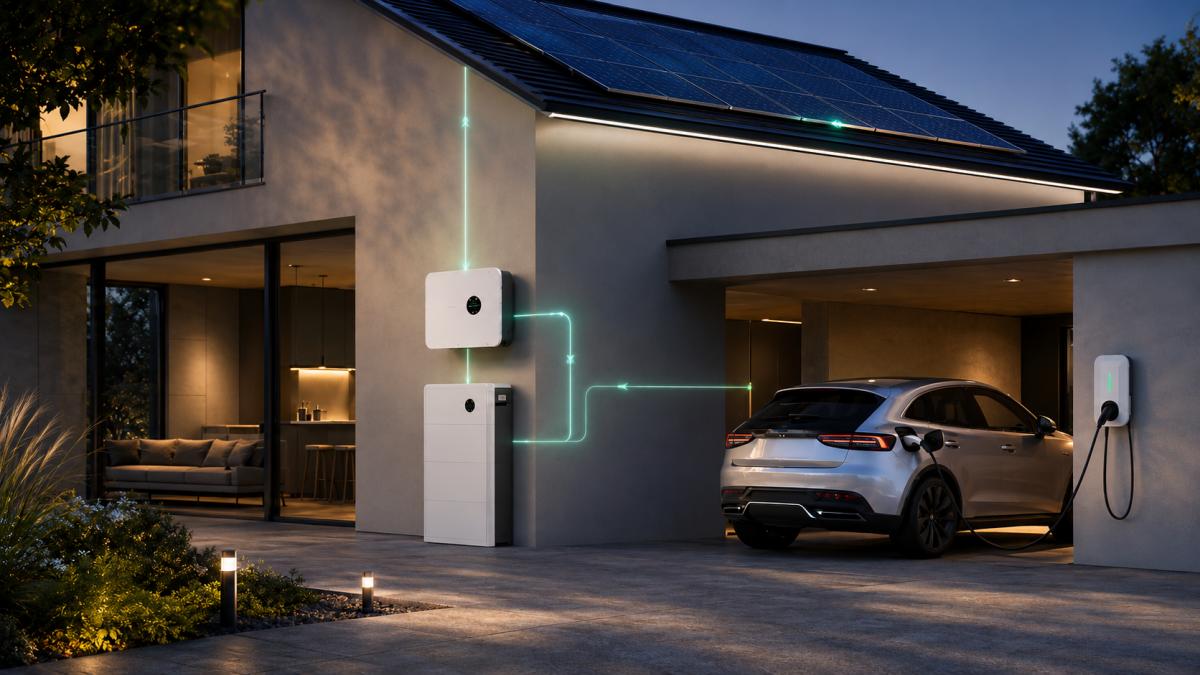
The best inverter for home use is not always the largest model on a quote. It is the inverter that fits your roof, your battery plan, your backup needs, and how your electricity use may change.
If you are searching for the best inverter for home with battery, the answer is usually a hybrid inverter or an integrated home energy storage system. But that does not mean every homeowner needs one. A simple solar-only roof may work well with a string inverter; a shaded or multi-directional roof may benefit from microinverters; and a home that wants battery storage, backup power, time-of-use control, or future EV charging should compare a battery-ready hybrid inverter with an integrated home energy system.
So the question is not "which inverter is the most powerful?" It is "what job do I need the inverter to do?"
A modern home inverter does more than convert solar DC power into AC power. In a solar-plus-storage home, it may decide when to charge the battery, when to power the house, when to export to the grid, and what to do during an outage.
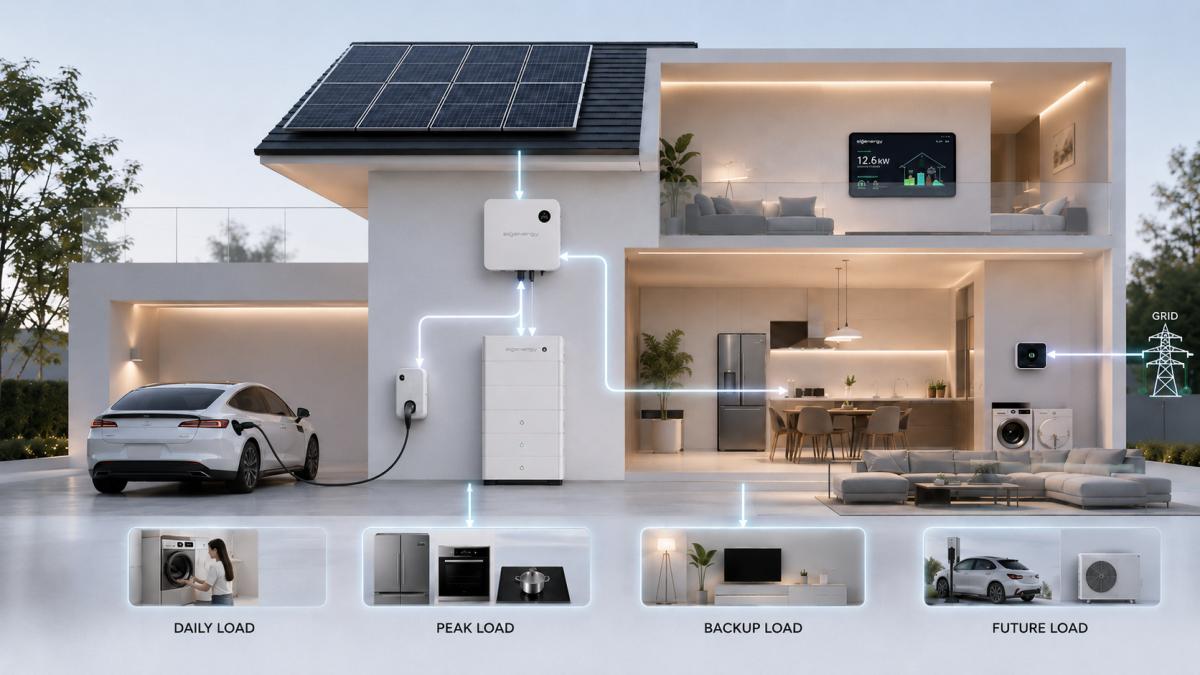
Use this simple Four-Load Test before looking at product names:
These four loads translate directly into system specifications. Daily energy use helps estimate battery capacity; simultaneous and motor-starting loads determine continuous and surge output; the backup list defines the transfer equipment and off-grid circuits; and future electrification determines how much expansion headroom the system needs.
Once the load profile is clear, roof geometry determines whether that capacity is better delivered through a central string or hybrid inverter, or through module-level microinverters.
| Inverter type | How it works | Best fit | Main benefit | What to check before choosing |
|---|---|---|---|---|
| String inverter | Several solar panels connect to one central inverter. | A simple, shade-free roof with panels facing the same direction. | Usually cost-effective and straightforward to install. | Shade, roof complexity, future battery plans, and whether backup power will require extra equipment. |
| Microinverter | A small inverter works with each solar panel. | Roofs with dormers, chimneys, trees, or panels facing different directions. | Each panel can perform more independently, which helps on complex rooftops. | Higher upfront cost, more electronics on the roof, and compatibility with future storage plans. |
| Hybrid inverter | Solar, battery, grid, and sometimes backup loads are managed together. | Homes planning battery storage, outage protection, time-of-use optimization, or EV charging. | Better long-term flexibility for solar-plus-storage homes. | Battery compatibility, backup capacity, surge power, local grid rules, and installer certification. |
| Integrated home energy system | The inverter, battery PCS, battery modules, EMS, and backup or gateway functions are designed as one coordinated system. | Homes installing battery storage and backup from the start. | Fewer separate interfaces and stronger coordination across solar, storage, tariffs, and loads. | Which functions are actually built in, battery power versus energy, expansion limits, EV compatibility, and local availability. |
A hybrid inverter is battery-capable, but backup is a system function rather than an inverter label. The design still needs a compatible battery, a transfer device or integrated gateway, selected backup circuits, and enough off-grid output to start and run those loads.
This distinction becomes important when comparing Sigen Hybrid Inverter, SigenStor, and SigenStor Neo.
For a home with a simple, unshaded roof and no plan to add battery storage, a string inverter is usually the best fit. It provides efficient solar conversion and centralized monitoring without adding storage or backup functions that the household may never use.
For a roof with partial shade, mixed orientations, dormers, or separated panel groups, a microinverter architecture is often the better choice. Each panel converts power more independently, so differences in shade or orientation have less influence on the rest of the array. However, the microinverters alone do not determine the battery or backup design.
For homeowners planning solar now and battery storage later, a battery-ready hybrid inverter offers the most practical expansion path. It can support solar generation first while leaving a compatible route for battery charging, tariff control, and backup circuits. The final system still needs to be sized around continuous output, surge loads, battery discharge power, and the circuits that must remain active during an outage.
For a home installing solar and battery storage together, especially where whole-home backup, EV charging, dynamic electricity tariffs, heat pumps, or generator integration are part of the plan, an integrated home energy system is usually the stronger architecture. It brings the inverter, battery control, energy management, backup switching, and connected loads into one coordinated system.
The best architecture therefore depends on the home’s main requirement: a string inverter for straightforward solar generation, microinverters for complex roofs, a battery-ready hybrid inverter for staged storage, and an integrated energy system for solar, battery, backup, and smart-load coordination. Sigenergy offers a different product route for each of these priorities.
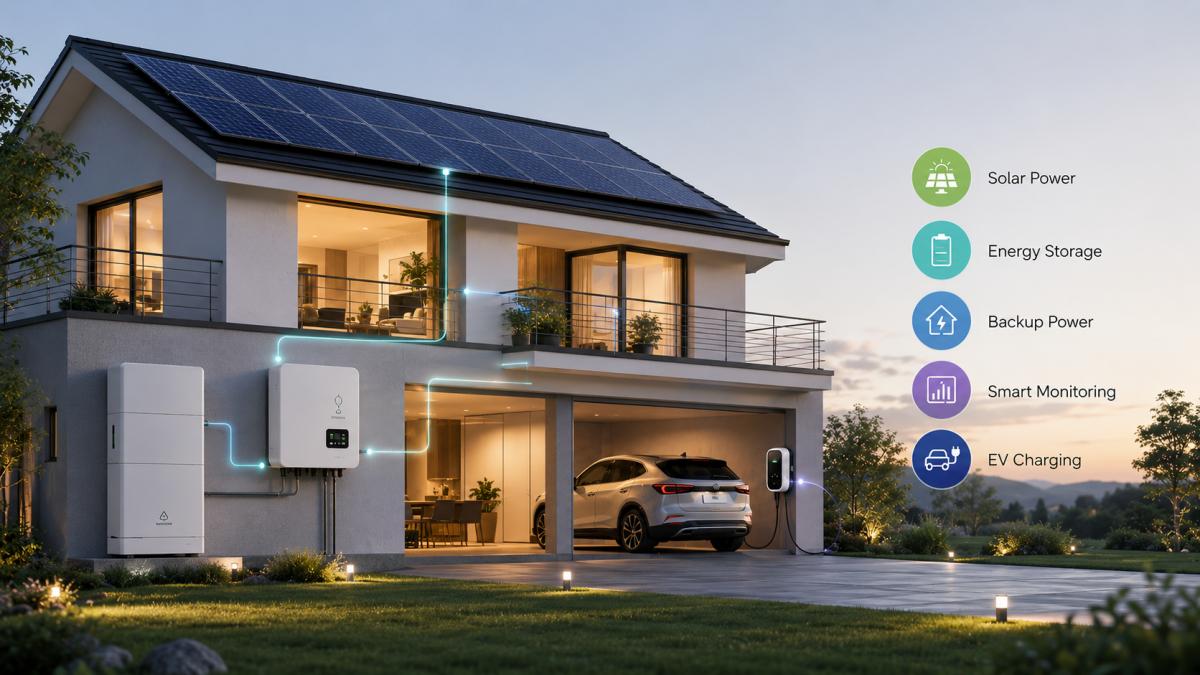
Choosing the best solar inverter isn't about finding a one-size-fits-all product; it is about selecting the right product line for your home. For many homeowners, comparing the best inverter for home with battery, hybrid, and ecosystem-based products becomes especially important.
In these situations, rather than asking whether Sigen is "superior" to other inverter brands in all situations, the question is: Who is Sigen best suited for? Sigen is most relevant when homeowners who want their inverters to do more than just convert electricity. You might want solar power, energy storage, backup power, monitoring, and future electric vehicle charging to work together in a coordinated solar, battery, backup, tariff, and EV control. And that's where Sigen excels.
Sigen Hybrid Inverter is the stronger fit when you want solar now and a battery path later. It becomes the best inverter for a home with battery when storage is planned from day one or soon after. It also fits time-of-use tariffs, export limits, EV chargers, heat pumps, or induction cooking. It is especially useful when you want the option to start with solar and move into storage without redesigning the whole system.
It is best for a home that wants solar-plus-storage rather than solar-only generation, wants backup circuits planned around real loads, and values future upgrade flexibility more than the lowest first price. It may not be the first choice if your roof is simple and you only want basic daytime bill reduction.
When battery storage is definitively not part of the plan, Sigen PV Inverter Max is the simpler solar-only route.
SigenMicro is the stronger route when panel-level performance matters. This can include roofs with several directions, partial shade, chimneys, dormers, small separated roof areas, or smaller PV projects where simple expansion and module-level monitoring are valuable. SigenMicro solves a roof-layout problem rather than a battery-sizing problem.
It is best for homeowners who want panel-level optimization, monitoring, and safety features. It is less compelling when the roof is large, simple, shade-free, and the main goal is the lowest cost per watt.
It is the stronger route when mixed orientations, partial shade, dormers, or separated roof areas make module-level conversion valuable. When storage is also planned, the next question is how the microinverter system connects to the battery and backup architecture.
Within the Sigen ecosystem, SigenMicro can complement SigenStor or SigenStor Neo rather than replace the storage controller.
When battery storage and backup power are part of the initial design, the homeowner is choosing more than a battery-compatible inverter. The system also needs to coordinate solar generation, battery charging, backup switching, and the loads that must remain powered during an outage.
SigenStor Neo is the stronger fit for homes that want these functions planned as one energy architecture from the beginning. It integrates the PV inverter, battery PCS, battery modules, EMS, and gateway in one platform. Its dedicated Smart Port and Backup Port can also connect equipment such as third-party inverters, generators, heat pumps, and EV chargers. In Sigenergy’s 2026 launch specifications, SigenStor Neo is rated for 0 ms load-side switchover and up to 200% peak output. Actual backup coverage still depends on the selected model, battery configuration, phase arrangement, and the starting demand of household appliances.
This separates Neo from the Sigen Hybrid Inverter. The Hybrid Inverter is better suited to a staged plan—solar first and compatible battery storage later. Neo is more appropriate when battery storage, backup control, and smart-load integration are required from day one. It may be more system than necessary for a simple solar-only home or a household that only wants to preserve the option of adding a battery in the future.
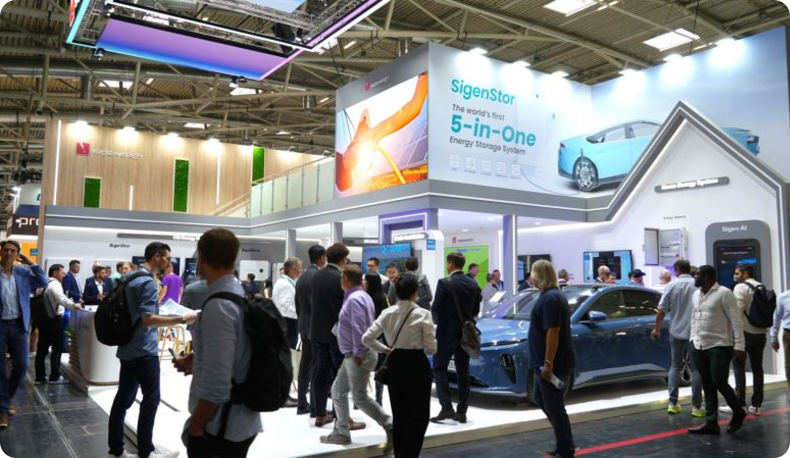
For homes where direct DC EV charging or future vehicle-to-home capability is a central requirement, SigenStor remains a relevant alternative. Its 5-in-1 architecture integrates the solar inverter, battery PCS, battery pack, EMS, and an EV DC charging route. This makes it more useful as an EV-focused branch of the selection rather than a second broadly defined “best integrated system.”
Hardware determines how much power the system can convert; software determines when that power is used. For a home on a flat electricity tariff, real-time monitoring and basic self-consumption control may be enough. Under time-of-use or dynamic pricing, the inverter should also be judged by whether its EMS can forecast solar generation and household demand, schedule battery charging and discharging, preserve a backup reserve, and coordinate EV or smart-home loads.
In mySigen App 4.0, Sigen AI Mode combines weather, electricity prices, and household energy patterns to adjust system dispatch. SigenAgent allows the user to state goals such as lowering cost, limiting grid export, maximizing solar use, or maintaining backup readiness, and then explains why the system is charging, discharging, exporting, or holding energy.
This makes the app part of the inverter decision rather than an after-sales monitoring feature.
That software layer also changes how price should be compared: the relevant cost is not only the inverter box, but the hardware and control stack required to reach the same operating outcome.
Price is important, but we recommend comparing the complete system cost not only the inverter price. A cheap inverter can become expensive if you need extra equipment later. A premium system can be a better value if it avoids redesign, supports batteries, or simplifies backup.
When you compare quotes, ask for three prices:
Generally, a string inverter often has the lowest upfront cost. Microinverters usually cost more because there are electronics on each panel. Hybrid and integrated storage systems cost more at the beginning, but they may save money if you want battery storage, backup power, or EV energy control within the life of the system.
When you compare Sigen with a basic solar-only string inverter, Sigen may not look like the cheapest choice. But if you compare it with a complete future-ready system, the price conversation changes. You are not just paying for the conversion from DC to AC but paying for flexibility, battery integration, backup design, smart control, and a cleaner upgrade path.
The best home inverter is the one that matches the job you actually need done.
If you want simple solar at the lowest upfront cost, choose a good string inverter. If you have a complex roof, choose microinverters. If you want solar, battery, backup power, tariffs, and EV charging to work together, choose a hybrid inverter or integrated energy storage system.
That is why you should pay attention to Sigen if you are planning beyond basic solar. Sigen Hybrid Inverter is best for battery-ready homes. SigenMicro is best for complex roofs, small systems, and panel-level control. SigenStor is best for homeowners who want a more complete solar-plus-storage lifestyle.
A Sigen system is most appropriate when you have these questions: Do you simply want a cheaper solar system today, or a planned expansion path home energy system? If you lean toward the latter and are comparing the best inverter for home with battery.
For a home installing battery storage and integrated backup from day one, SigenStor Neo is the main system to compare. For solar now with compatible battery expansion later, Sigen Hybrid Inverter is the more direct inverter-led route. If DC EV charging or a future V2X pathway is a primary requirement, SigenStor remains relevant.
It depends on the roof. SigenMicro is better suited to complex, shaded, small, or multi-orientation layouts. A string inverter can still be better for a simple, unshaded roof where cost and simplicity matter most.
A famous brand helps, but local certification, installer experience, warranty handling, battery compatibility, and after-sales service matter just as much. The best quote should explain why that inverter is best for your specific home.
Potentially, but not through a conventional inverter alone. Within the Sigen ecosystem, the Sigen EV DC Charging Module serves as the bridge for direct DC charging and bidirectional operation. It is offered in 12.5 kW and 25 kW versions and can connect solar, battery storage, and a compatible EV through a DC-coupled architecture.




 Cookie Set

These cookies are essential for the proper functioning of my website. Without these cookies, the website would not work properly
| Name | Expiration | Description |
| PHPSESSID | session | Cookie generated by applications based on the PHP language. This is a general purpose identifier used to maintain user session variables. It is normally a random generated number, how it is used can be specific to the site, but a good example is maintaining a logged-in status for a user between pages. |
| cookielist-consent | 1 year | Sets this cookie to remember users' consent preferences so that their preferences are respected on their subsequent visits to this site. It does not collect or store any personal information of the site visitors. |
| sl-session | 1 day | Anti-crawler and machine behavior recognition |
Analytical cookies are used to understand how visitors interact with the website. These cookies help provide information on metrics such as the number of visitors, bounce rate, traffic source, etc.
| Name | Expiration | Description |
| _ga | 1 year | The _ga cookie, installed by Google Analytics, calculates visitor, session and campaign data and also keeps track of site usage for the site's analytics report. The cookie stores information anonymously and assigns a randomly generated number to recognize unique visitors. |
| _ga_6JGTHLPYFN | 1 year | This cookie is installed by Google Analytics. |
| _gcl_au | 3 months | Provided by Google Tag Manager to experiment advertisement efficiency of websites using their services. |